In the bustling fashion districts of Lahore and Karachi, a quiet revolution is taking place. Pakistani designers, long celebrated for their intricate embroidery and rich textile heritage, are now setting their sights on an unexpected ally in their global expansion: the Chinese consumer market. This emerging partnership represents more than just commercial opportunity; it signals a fundamental shift in how developing fashion industries can leverage international relationships to claim their space on the world stage.
The timing couldn't be more opportune. China's fashion consumption patterns have evolved dramatically over the past decade, moving beyond Western luxury brands to embrace diverse cultural aesthetics. Chinese consumers, particularly the influential millennial and Gen Z demographics, are increasingly seeking authenticity and storytelling in their fashion choices. This cultural curiosity creates a perfect entry point for Pakistani fashion, which carries centuries of craftsmanship tradition and narrative depth in every stitch.
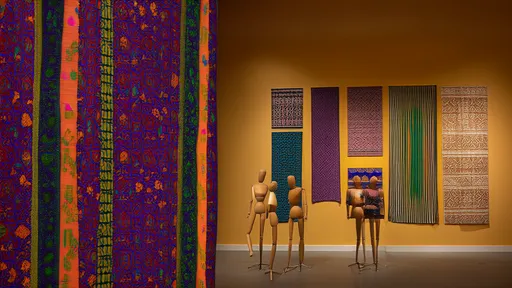
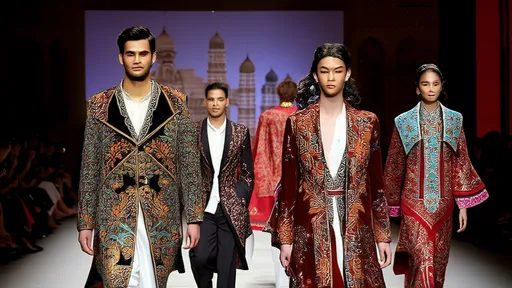
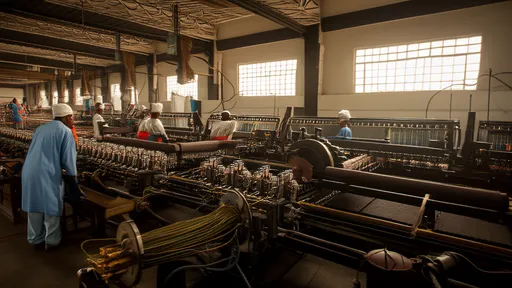
Pakistan's fashion industry brings to the table something increasingly rare in today's homogenized global market: genuine artisanal heritage. From the delicate threadwork of Multan's embroidery to the vibrant block printing techniques of Sindh, these traditions have been preserved through generations. When a Chinese consumer purchases a Pakistani fashion piece, they're not just buying clothing; they're acquiring a piece of living history. This emotional connection transcends typical buyer-seller relationships and creates loyal brand advocates.
The economic dynamics between the two nations further sweeten the proposition. The China-Pakistan Economic Corridor has already established robust trade infrastructure, making logistical challenges more manageable than ever before. Pakistani manufacturers can leverage these existing supply chains to ensure timely delivery to Chinese markets, addressing what has traditionally been a pain point for international fashion expansion. This established framework reduces entry barriers and allows designers to focus on what they do best: creating exceptional fashion.
Social media has emerged as the great equalizer in this fashion diplomacy. Platforms like Little Red Book and Douyin have become virtual runways where Pakistani designers can directly engage with Chinese consumers. The visual nature of fashion content translates seamlessly across language barriers, allowing the beauty of the craftsmanship to speak for itself. We've seen viral moments where traditional Pakistani shalwar kameez sets or intricately embroidered jackets captured the Chinese imagination, creating organic demand that no traditional marketing campaign could match.
What makes this partnership particularly compelling is the complementary nature of the two fashion ecosystems. Chinese fashion excels in technological innovation, manufacturing scale, and digital retail expertise. Pakistani fashion brings artisanal mastery, unique design perspectives, and sustainable production methods. Together, they create a powerful synergy that could redefine Asian fashion leadership. We're already seeing collaborations where Pakistani textile techniques meet Chinese tech fabrics, creating hybrid products that appeal to global sensibilities.
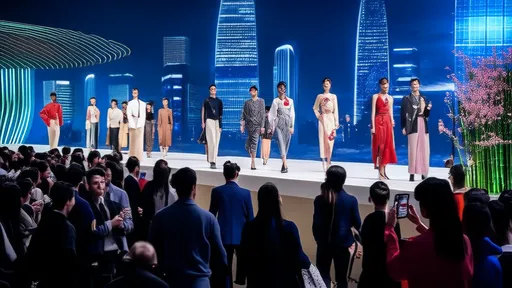
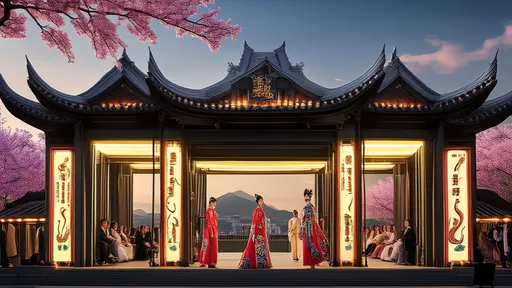
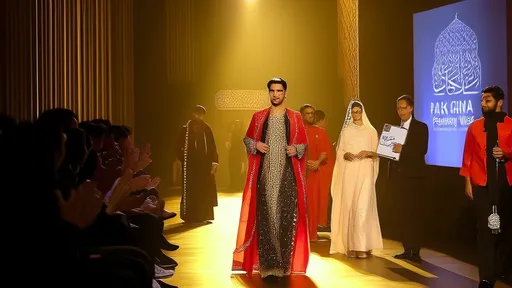
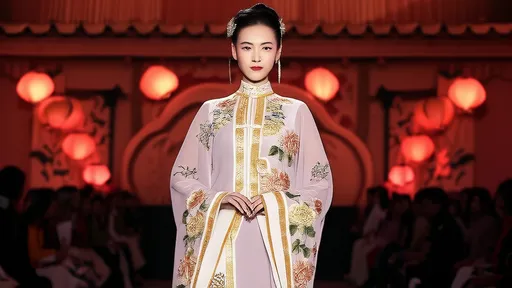
The cultural exchange extends beyond mere commerce. Fashion shows featuring Pakistani designers in Shanghai and Beijing have become cultural events, attended by fashion enthusiasts, diplomats, and business leaders alike. These events serve as living bridges between the two cultures, fostering mutual understanding through the universal language of design. The vibrant colors and patterns of Pakistani fashion resonate deeply with Chinese aesthetic traditions that similarly celebrate color symbolism and intricate detail.
Success in the Chinese market requires nuanced understanding of regional preferences within China itself. Designers who have found the most traction recognize that consumers in Shanghai might prefer different styles than those in Chengdu or Beijing. The savvy among them are creating collections specifically tailored to these regional tastes while maintaining their design identity. This localized approach demonstrates respect for the diversity of Chinese consumer preferences and shows a commitment to building lasting relationships rather than just making quick sales.
Sustainability has emerged as an unexpected advantage for Pakistani fashion in the Chinese market. As Chinese consumers become more environmentally conscious, they're drawn to the natural dyes, handloom fabrics, and ethical production methods that characterize much of Pakistan's fashion output. In a world increasingly concerned with fast fashion's environmental impact, the slower, more deliberate approach of Pakistani craftsmanship represents a refreshing alternative that aligns with evolving consumer values.
The road ahead presents both challenges and opportunities. Pakistani brands must navigate cultural nuances, build reliable distribution networks, and develop marketing strategies that resonate with Chinese consumers. However, the potential rewards are substantial. Establishing a foothold in the world's largest consumer market could provide the economic stability and global recognition that Pakistan's fashion industry needs to thrive on the international stage.
This fashion partnership represents something larger than business transaction. It demonstrates how global south countries can create their own economic and cultural networks independent of traditional Western hubs. The China-Pakistan fashion connection challenges conventional wisdom about which nations get to set global trends and proves that in today's multipolar world, cultural influence can flow through unexpected channels.
As we look to the future, the potential for growth seems limitless. We're likely to see more joint ventures, co-designed collections, and cultural exchanges that deepen this fashion relationship. The success of this partnership could inspire similar collaborations between other developing fashion industries, creating a more diverse and inclusive global fashion landscape. For too long, the narrative of fashion globalization has been dominated by Western perspectives. The China-Pakistan connection offers an alternative vision—one where Eastern nations write their own fashion future.
In the ateliers of Pakistan and the showrooms of China, a new fashion story is being written. It's a story of mutual respect, cultural curiosity, and commercial innovation. As this relationship deepens, we may well be witnessing the birth of a new fashion axis—one that could reshape how we think about style, culture, and international cooperation in the years to come. The runway extends from the mountains of Pakistan to the megacities of China, and the world is watching with anticipation.

By /Oct 23, 2025

By Michael Brown/Oct 23, 2025
By /Oct 23, 2025
By /Oct 23, 2025
By /Oct 23, 2025
By /Oct 23, 2025
By /Oct 23, 2025
By /Oct 23, 2025
By Samuel Cooper/Oct 23, 2025
By /Oct 23, 2025
By /Oct 23, 2025

By /Oct 23, 2025
By /Oct 23, 2025
By /Oct 23, 2025
By Daniel Scott/Oct 23, 2025
By /Oct 23, 2025
By /Oct 23, 2025
By /Oct 23, 2025
By /Oct 23, 2025
By /Oct 23, 2025