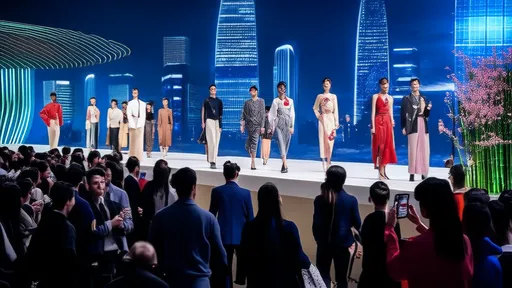
Nanjing Fashion Week has emerged from its regional cocoon to become a truly global phenomenon, marking a significant milestone in the international fashion calendar. The recent edition of the event witnessed an unprecedented surge in both social recognition and active participation, solidifying its position as a powerhouse of creative expression and commercial opportunity. This dual ascension speaks volumes about the meticulous curation and strategic vision that now defines the week-long spectacle.
The transformation was palpable from the opening ceremony, where the energy felt less like a regional gathering and more like a global summit. International buyers, whose presence was once sporadic, now navigated the venues with purpose, their curated schedules filled with back-to-back appointments. Esteemed fashion critics from publications that dictate global trends were seen scribbling notes in the front rows, their attendance a tacit acknowledgment of the event's newfound relevance. This wasn't merely an increase in numbers; it was a fundamental shift in the caliber and intent of the attendees.
Social media platforms became the unofficial runway for Nanjing Fashion Week, with its digital footprint expanding at a staggering rate. The official hashtag trended for days, not just domestically but in key international markets, generating millions of impressions. A single post showcasing a groundbreaking collection from a local designer could amass hundreds of thousands of engagements overnight, a level of virality previously reserved for the established fashion capitals. This digital echo chamber amplified the event's reach far beyond the physical confines of the venues, creating a global conversation around Nanjing's unique aesthetic.
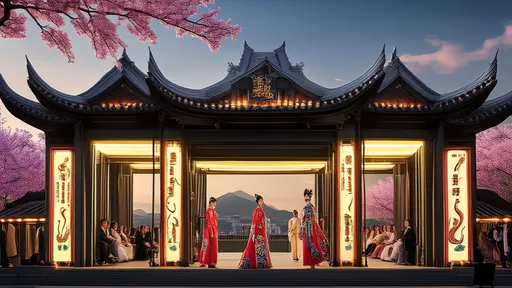
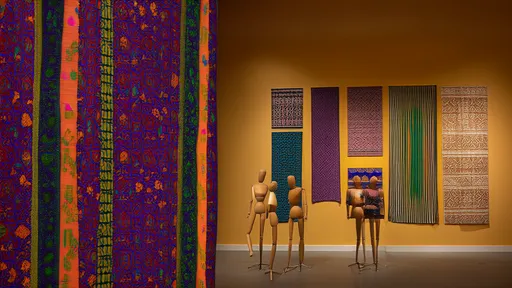
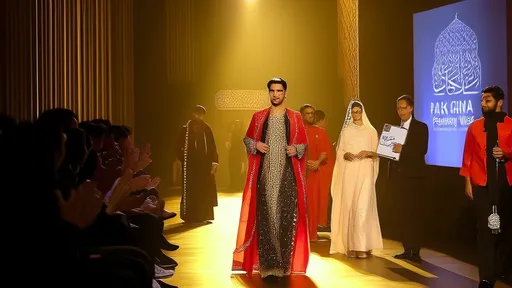
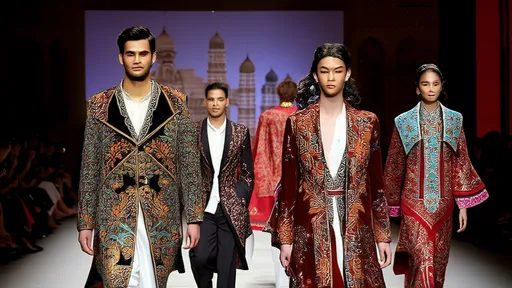
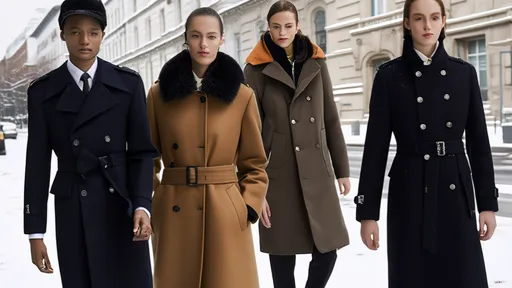
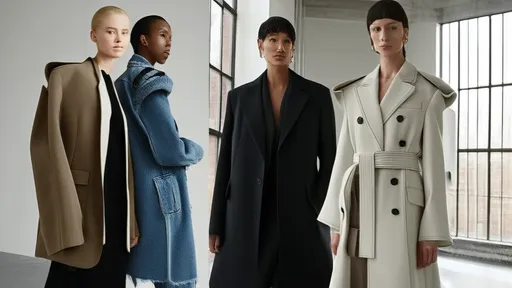
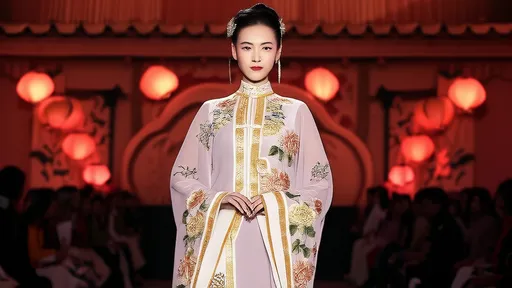
What fueled this remarkable growth was a conscious and brilliantly executed effort to bridge the gap between established heritage and audacious innovation. Organizers moved beyond safe programming, creating a platform where tradition was not just preserved but actively conversed with the future. One of the most talked-about shows featured a designer who deconstructed elements of Ming Dynasty art, reinterpreting them through hyper-modern silhouettes and sustainable tech fabrics. This fusion created a visual language that was simultaneously familiar and radically new, capturing the imagination of a global audience tired of homogenized trends.
The participation metrics tell a story of explosive growth. Applications from designers hoping to secure a slot on the official schedule tripled compared to the previous year, forcing the selection committee to implement a more rigorous and competitive curatorial process. This influx was not limited to Chinese talent; applications poured in from emerging studios in Seoul, Tokyo, London, and Milan, all recognizing Nanjing as a launchpad for accessing the lucrative Asian market. The roster of participants evolved from a predominantly local affair to a genuinely international showcase, reflecting a new, borderless phase for the event.
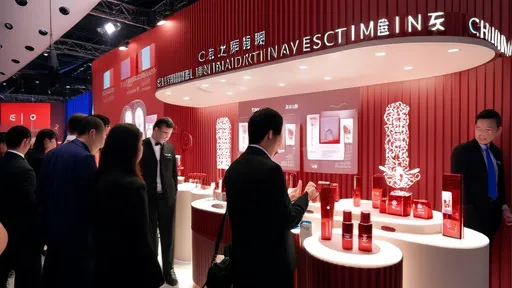
Beyond the glamour of the runways, the business of fashion thrived. The concurrent trade show and showroom events were hubs of frenetic activity, with order volumes reportedly surpassing all previous records. Brand representatives spoke of a more sophisticated and discerning buyer, one who was not just purchasing garments but investing in a narrative. The conversations shifted from cost and delivery times to brand ethos, supply chain transparency, and artistic direction. This elevation in discourse signifies that Nanjing Fashion Week is successfully cultivating a market that values depth and story alongside commerce.
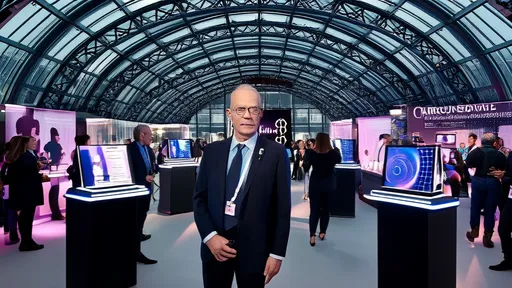
A key differentiator this season was the strategic emphasis on sustainability and technological integration, themes that resonated powerfully with a new generation of consumers. Panels discussing circular fashion economies were standing-room only, and several showcases were dedicated entirely to designers working with upcycled materials or zero-waste production techniques. Furthermore, the integration of augmented reality in lookbooks and virtual reality front-row experiences demonstrated a commitment to leading, not just following, in the digital transformation of the industry. This forward-thinking approach positioned Nanjing not merely as a follower of global trends, but as an active contributor to the fashion industry's future.
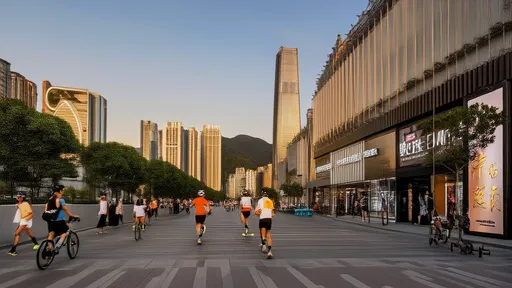
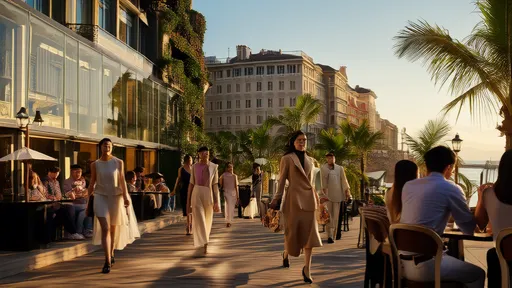
The city itself played a co-starring role, with its unique urban landscape providing a dramatic and authentic backdrop. Historical sites and repurposed industrial warehouses were transformed into immersive venue experiences, a stark contrast to the sterile convention centers often used for such events. This synergy between fashion and place created a powerful sense of identity, making Nanjing Fashion Week an unmistakable product of its environment. Attendees weren't just visiting a fashion event; they were experiencing the cultural soul of Nanjing, which in turn deepened their connection to the designs presented.
In conclusion, the dual leap in social prominence and participatory engagement experienced by Nanjing Fashion Week is no accident. It is the direct result of a bold, coherent strategy that prioritized artistic integrity, global inclusivity, and technological foresight. The event has successfully shed any lingering provincialism to establish itself as a essential destination for anyone serious about the future of fashion. It has built a new bridge between East and West, between tradition and innovation, and in doing so, has carved out a unique and influential space on the world stage. The message is clear: Nanjing is not just on the fashion map; it is actively redrawing it.

By /Oct 23, 2025

By Michael Brown/Oct 23, 2025
By /Oct 23, 2025
By /Oct 23, 2025
By /Oct 23, 2025
By /Oct 23, 2025
By /Oct 23, 2025
By /Oct 23, 2025
By Samuel Cooper/Oct 23, 2025
By /Oct 23, 2025
By /Oct 23, 2025
By /Oct 23, 2025
By /Oct 23, 2025
By /Oct 23, 2025
By Daniel Scott/Oct 23, 2025
By /Oct 23, 2025
By /Oct 23, 2025
By /Oct 23, 2025
By /Oct 23, 2025
By /Oct 23, 2025