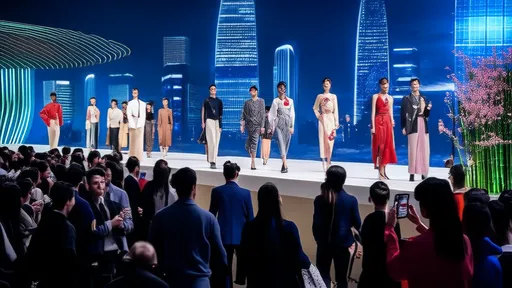
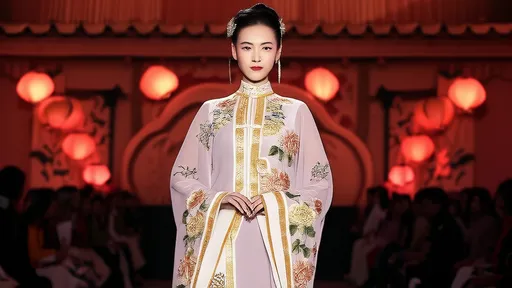
Nanjing International Fashion Week has unveiled its groundbreaking theme for this year's edition - "Six Dynasties Capital of Fashion" - marking a revolutionary approach to integrating culture, commerce, and tourism in China's fashion landscape. The event, scheduled to take place from October 15th to 22nd across multiple iconic venues in Nanjing, represents a bold reimagining of how historical heritage can intersect with contemporary fashion innovation.
The concept of "Six Dynasties Capital" draws from Nanjing's rich historical legacy as the capital of six different dynasties throughout Chinese history. This thematic foundation serves as both inspiration and framework for the entire fashion week, creating a unique platform where ancient cultural elements meet modern design sensibilities. The organizers have deliberately chosen to move beyond traditional fashion week formats, instead crafting an immersive experience that celebrates Nanjing's position as both a historical treasure and a forward-looking metropolis.
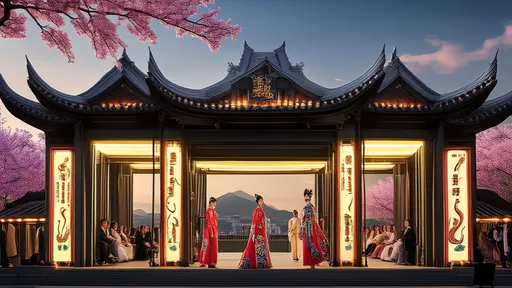
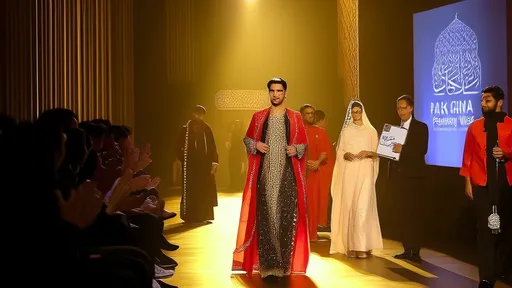
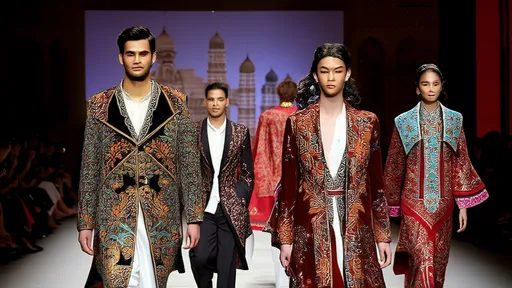
At the heart of this year's fashion week lies the innovative fusion of cultural preservation, commercial development, and tourism promotion. The event features specially curated fashion shows within historical sites, including the majestic Nanjing City Wall and the tranquil Confucius Temple area. These locations, typically associated with historical tourism, are being transformed into dynamic fashion venues where ancient architecture provides the backdrop for cutting-edge designs.
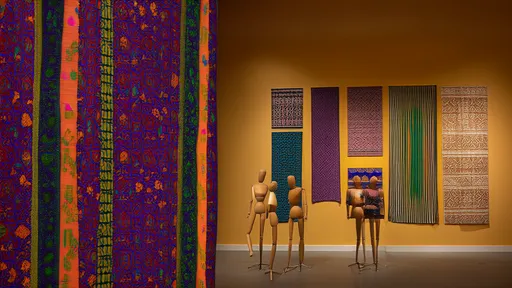
The integration extends beyond mere venue selection. Designers participating in the fashion week have been challenged to incorporate elements from Nanjing's cultural heritage into their collections. This includes traditional craftsmanship techniques such as Nanjing Yunjin brocade weaving, which dates back to the Eastern Jin Dynasty, and inspiration drawn from the city's famous stone carvings and architectural motifs. The result is a collection that speaks to both the city's glorious past and its vibrant present.
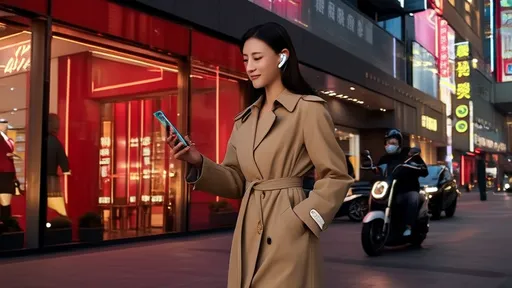
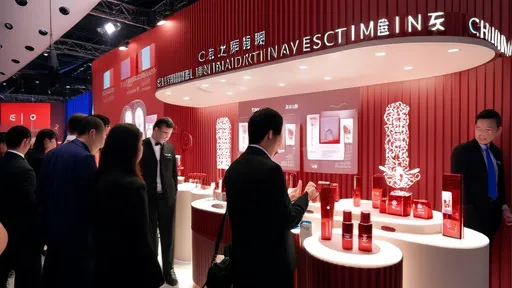
Commercial innovation forms another crucial pillar of the fashion week's new paradigm. Rather than focusing exclusively on runway shows for industry insiders, the event has been structured to include significant consumer-facing components. Pop-up stores featuring limited edition collaborations between fashion designers and local artisans will operate throughout the city, while digital platforms will enable global audiences to purchase collections immediately following their runway debuts.
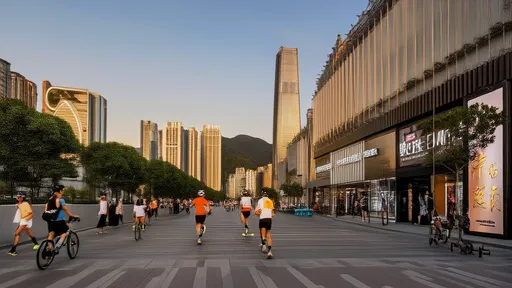
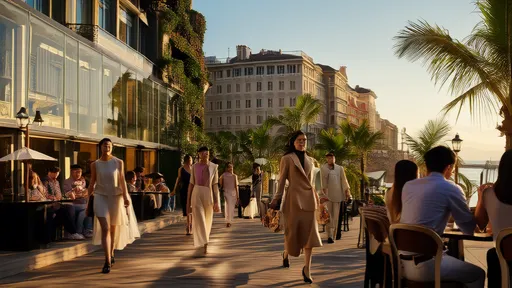
Tourism integration represents perhaps the most ambitious aspect of the "Six Dynasties Capital" concept. The fashion week coincides with the launch of specially designed cultural tourism routes that connect fashion venues with historical sites. These routes include guided tours led by fashion historians, workshops where visitors can learn about traditional textile techniques, and evening events that transform historical locations into fashion-forward social spaces.
Local businesses have embraced this innovative approach with remarkable enthusiasm. Hotels along the fashion week route are offering themed packages that include tickets to shows and backstage access, while restaurants have created special menus inspired by both traditional Nanjing cuisine and contemporary fashion aesthetics. Retail districts have coordinated their window displays and merchandise selections to align with the fashion week's thematic elements, creating a city-wide celebration of style and heritage.
The educational component of the fashion week deserves particular attention. In partnership with Nanjing University and the China Academy of Art, the event includes a series of academic symposiums exploring topics ranging from the evolution of Chinese aesthetic principles to sustainable practices in fashion manufacturing. These discussions bring together international fashion experts, local historians, and environmental specialists, creating a multidimensional dialogue about fashion's role in contemporary society.
Sustainability forms a critical undercurrent throughout the fashion week's programming. Designers are encouraged to utilize eco-friendly materials and production methods, with several shows specifically dedicated to sustainable fashion. The event organizers have implemented comprehensive waste reduction measures and are partnering with environmental organizations to offset the carbon footprint of the international travel involved in bringing global fashion figures to Nanjing.
The international response to Nanjing's innovative approach has been overwhelmingly positive. Fashion editors from major international publications have noted the unique value of experiencing fashion within such rich historical contexts, while buyers from global retail chains have expressed excitement about collections that blend authentic cultural elements with commercial viability. The fashion week has successfully positioned Nanjing as not just another stop on the global fashion calendar, but as a distinctive destination offering something genuinely new to the international fashion community.
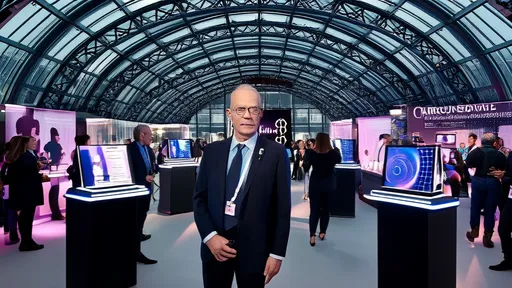
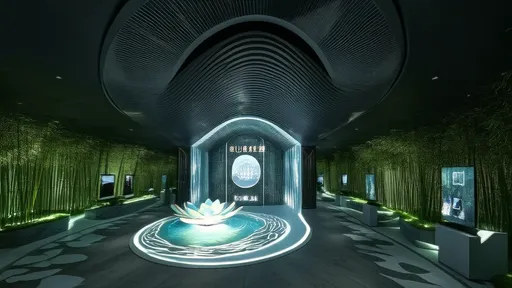
Technology integration plays a significant role in enhancing the visitor experience. Augmented reality applications allow attendees to view additional information about garments simply by pointing their smartphones at them, while virtual reality stations provide immersive experiences of fashion shows for those unable to attend in person. Social media integration enables real-time global participation, with dedicated hashtags and interactive content encouraging international audiences to engage with the event.
The economic impact of this innovative approach is already becoming apparent. Local designers report unprecedented levels of international interest in their collections, while tourism authorities note a significant increase in advance bookings for the fashion week period. The commercial partnerships established through the event are expected to generate sustained economic benefits for Nanjing's creative industries long after the final runway show concludes.
Perhaps most importantly, the fashion week represents a new model for cultural preservation. By demonstrating how historical elements can be integrated into contemporary commercial ventures, the event provides a template for other cities with rich cultural heritage. The success of this approach suggests that preservation and progress need not be opposing forces, but can instead work in harmony to create unique value propositions in the global marketplace.
As the fashion world continues to grapple with questions of authenticity, sustainability, and commercial viability, Nanjing International Fashion Week offers a compelling case study in how deep cultural roots can provide answers to contemporary challenges. The "Six Dynasties Capital" theme serves as both celebration and innovation, honoring history while boldly stepping into the future of what fashion events can be.
The legacy of this year's fashion week is likely to extend far beyond its seven-day duration. The partnerships forged between cultural institutions, commercial enterprises, and tourism authorities are designed to continue throughout the year, with planned pop-up events, educational programs, and collaborative projects maintaining momentum until next year's edition. This sustained engagement represents a fundamental shift from the traditional fashion week model of concentrated activity followed by relative quiet.
Looking ahead, the organizers envision the Nanjing International Fashion Week becoming a benchmark for how cities worldwide can leverage their unique cultural assets in the global fashion industry. The success of the "Six Dynasties Capital" theme has already inspired preliminary discussions about expanding the concept to include sister city partnerships and international exchange programs that would bring Nanjing's innovative approach to fashion weeks in other historically significant cities around the world.
In an industry often criticized for its fleeting nature and lack of depth, Nanjing's bold reimagining of the fashion week format offers a refreshing alternative. By rooting contemporary fashion in historical authenticity and expanding its scope to encompass cultural and tourism elements, the event creates lasting value for designers, visitors, and the city itself. This holistic approach may well represent the future of fashion events in an increasingly interconnected and experience-driven world.

By /Oct 23, 2025

By Michael Brown/Oct 23, 2025
By /Oct 23, 2025
By /Oct 23, 2025
By /Oct 23, 2025
By /Oct 23, 2025
By /Oct 23, 2025
By /Oct 23, 2025
By Samuel Cooper/Oct 23, 2025
By /Oct 23, 2025
By /Oct 23, 2025

By /Oct 23, 2025
By /Oct 23, 2025
By /Oct 23, 2025

By Daniel Scott/Oct 23, 2025

By /Oct 23, 2025
By /Oct 23, 2025
By /Oct 23, 2025
By /Oct 23, 2025
By /Oct 23, 2025