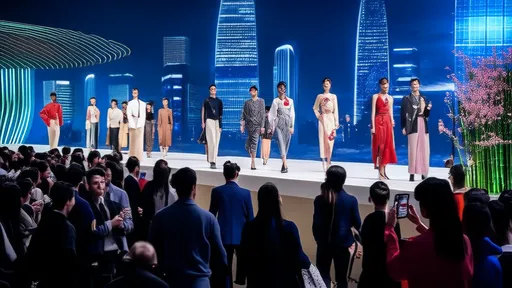
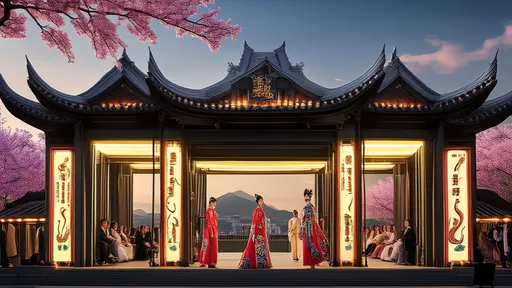
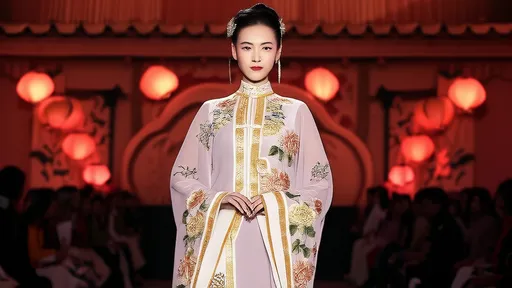
Against the backdrop of cultural exchange between China and Pakistan, a spectacular fashion event recently unfolded on the runway, where the vibrant spirit of Pakistani truck art met the refined elegance of high-end Chinese fashion. The fusion created not just garments, but wearable masterpieces that told stories of cross-border friendship and artistic innovation.
The runway itself was transformed into a moving gallery of colors, patterns, and emotions. Designers from both nations embarked on a creative journey, drawing inspiration from the elaborate and symbolic art that adorns Pakistani trucks. This art form, traditionally a means for truck drivers to express their identity, beliefs, and dreams, found a new canvas in haute couture. The collection showcased was a bold declaration that fashion can be a powerful medium for cultural dialogue and mutual appreciation.
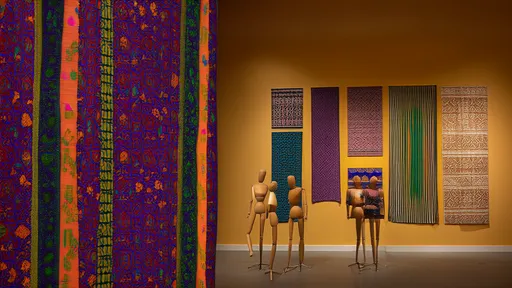
Each piece in the collection was a testament to the meticulous craftsmanship and deep respect for the source material. Designers spent months studying the motifs, color palettes, and techniques unique to truck art. They collaborated with traditional Pakistani artists to ensure authenticity, integrating elements like intricate floral patterns, mythical creatures, and poetic calligraphy into the fabric of high fashion. The result was a harmonious blend where the bold, unapologetic vibrancy of truck art met the sophisticated, structured silhouettes of contemporary design.
The opening ensemble set the tone for the evening—a dramatic gown featuring a cascading tapestry of hand-embroidered peacocks and roses, motifs synonymous with beauty and passion in both cultures. The use of mirror work, a staple in truck art, added a dynamic sparkle as models moved under the lights, creating an almost magical effect. This was not merely clothing; it was a celebration of heritage reimagined for the global stage.
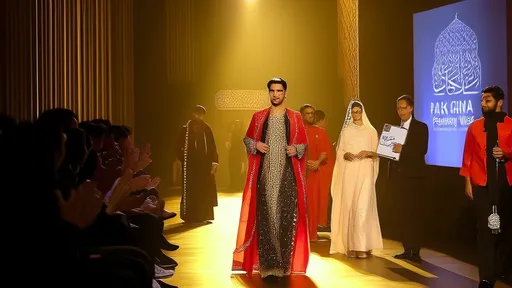
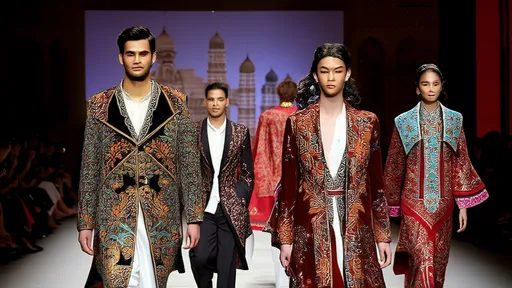
Another standout piece was a structured jacket and skirt combo for men, which broke conventional gender norms in fashion. The jacket was adorned with a panoramic scene reminiscent of those painted on truck cabins—often depicting idealized landscapes or heroic tales. This narrative approach to garment design invited the audience to look closer, to read the stories woven into the threads. It challenged the perception of fashion as transient, positioning it instead as a keeper of folklore and shared histories.
The color palette was a direct homage to the truck art tradition. Vivid hues of electric blue, fiery orange, emerald green, and sunburst yellow dominated the collection, colors that are believed to protect travelers on their journeys in Pakistani culture. Designers skillfully balanced these bold colors with metallic accents and neutral undertones, ensuring that each piece remained elegant and wearable despite its exuberant origins. The fabrics chosen ranged from luxurious silks and chiffons to structured brocades, each selected to hold the elaborate embellishments and do justice to the art form.
Accessories played a crucial role in completing the narrative. Statement jewelry pieces, inspired by the tassels and bells that dangle from trucks, were crafted using traditional metalworking techniques. Handbags featured miniature paintings similar to those found on truck panels, turning each accessory into a portable piece of art. Even the footwear incorporated delicate embroidery and bold colors, ensuring that every detail contributed to the overarching theme.
The show was more than a display of aesthetic innovation; it was a poignant reminder of the deep-rooted friendship between China and Pakistan. By choosing truck art as the central theme, designers highlighted the beauty in everyday expressions of culture, often overlooked in high fashion. This collaboration underscored a mutual desire to explore and celebrate each other’s heritage, building bridges through the universal language of art and design.
Reactions from the audience were overwhelmingly positive. Fashion critics praised the collection for its daring creativity and technical excellence. Many noted how the designs managed to be both culturally specific and universally appealing, a rare feat in the world of haute couture. Attendees from the diplomatic corps expressed admiration for the way fashion was used as a soft power tool, strengthening bilateral ties in a creative and impactful manner.
Behind the scenes, the journey to this runway was filled with challenges and triumphs. Designers had to navigate the complexities of merging two distinct artistic traditions without diluting either. They experimented with techniques, from digital printing to hand embroidery, to achieve the desired effect. The process was a lesson in patience and precision, with some garments taking hundreds of hours to complete. This dedication was evident in the final presentation, where every stitch told a story of collaboration and respect.
The impact of this fashion show extends beyond the runway. It has sparked conversations about the potential for future collaborations between Chinese and Pakistani artists across various mediums. Educational institutions in both countries are exploring ways to incorporate such cross-cultural projects into their curricula, fostering a new generation of designers who are globally minded and culturally sensitive. The event has also inspired a surge of interest in Pakistani truck art among international art collectors and enthusiasts, bringing this folk tradition into the spotlight.
In the broader context of global fashion, this collection challenges the industry to look beyond traditional sources of inspiration. It proves that beauty and innovation can be found in the most unexpected places, and that cultural exchange can lead to groundbreaking creative expressions. As the fashion world continues to grapple with issues of sustainability and authenticity, this collaboration offers a model for how to honor tradition while pushing the boundaries of modern design.
Looking ahead, the designers involved in this project have expressed their commitment to continuing this dialogue. Plans are already underway for a follow-up collection that will explore other facets of Pakistani and Chinese cultural heritage. There is also talk of a traveling exhibition that would bring these garments to audiences around the world, allowing more people to experience the magic of this cross-cultural fusion.
In conclusion, the Sino-Pakistani fashion show was a landmark event that transcended the conventional boundaries of fashion. It was a vibrant celebration of two rich cultures, a testament to the power of collaboration, and a bold step forward in the evolution of haute couture. By weaving the colorful threads of Pakistani truck art into the fabric of high fashion, the designers have created a lasting legacy of friendship, creativity, and mutual inspiration.

By /Oct 23, 2025
By Michael Brown/Oct 23, 2025
By /Oct 23, 2025
By /Oct 23, 2025
By /Oct 23, 2025
By /Oct 23, 2025
By /Oct 23, 2025
By /Oct 23, 2025
By Samuel Cooper/Oct 23, 2025
By /Oct 23, 2025
By /Oct 23, 2025
By /Oct 23, 2025
By /Oct 23, 2025
By /Oct 23, 2025
By Daniel Scott/Oct 23, 2025
By /Oct 23, 2025
By /Oct 23, 2025
By /Oct 23, 2025
By /Oct 23, 2025
By /Oct 23, 2025
