Against the backdrop of a rapidly evolving global cosmetics market, a remarkable delegation of Chinese beauty brands made their collective debut at the prestigious Paris International Cosmetic Innovation Summit. This was not merely a participation, but a powerful statement of intent. The event, long dominated by Western and established K-Beauty giants, witnessed a paradigm shift as these Chinese companies showcased not just products, but a unique philosophy rooted in a blend of ancient wisdom and cutting-edge science.
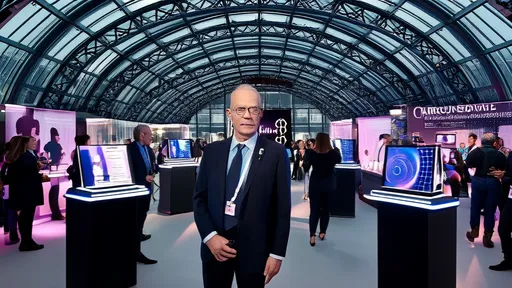
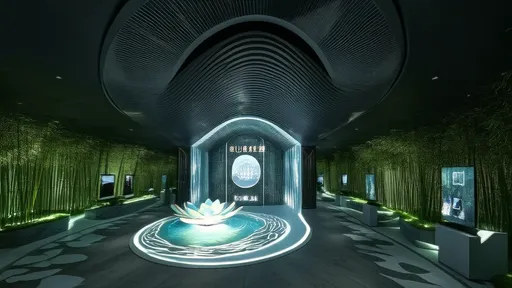
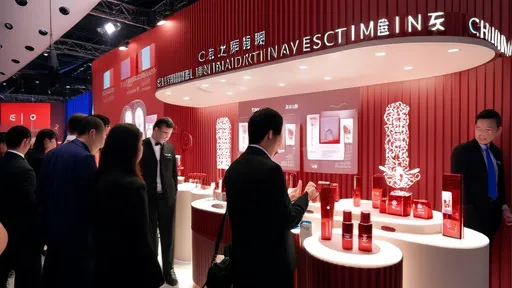
The Chinese pavilion, a sprawling and elegantly designed space, became the epicenter of innovation and curiosity. Visitors were immediately struck by the sophisticated aesthetic, a departure from the stereotypical image of mass-produced goods. The brands present represented a new vanguard of Chinese beauty—companies like Florasis, with its intricately carved lipsticks and palettes inspired by historical artifacts; Perfect Diary, a master of digital marketing and agile supply chains; and Proya, a brand deeply invested in bio-scientific research for potent skincare solutions. Their presence was a clear signal that China is moving decisively up the value chain.
What truly set the Chinese contingent apart was their unique value proposition, which can be best described as a synthesis of heritage and hyper-innovation. Many brands are delving deep into China's rich repository of botanical knowledge and traditional Chinese medicine. Ingredients like ginseng, tremella mushroom, and green tea are being re-engineered using advanced extraction technologies like supercritical CO2 and fermentation processes to enhance their bioavailability and efficacy. This is not just about using an exotic ingredient for marketing; it's about validating its function through rigorous scientific research. One brand representative explained, "We are not simply repackaging the past. We are using the language of modern science to prove why our ancestors' remedies worked, and then making them work even better for the contemporary consumer." This approach creates a compelling narrative that is both authentic and effective.
Parallel to this deep dive into tradition is a relentless pursuit of technological advancement. Chinese beauty tech companies presented AI-powered skin diagnostic tools that can analyze a user's complexion through a smartphone camera, recommending personalized product regimens with startling accuracy. Augmented Reality (AR) mirrors allowed attendees to virtually try on a vast array of lipstick shades and eyeshadow looks in real-time, a technology that has already revolutionized e-commerce in China. Furthermore, a significant focus was placed on sustainable and "clean" beauty, with several brands unveiling waterless formulations, biodegradable packaging, and upcycled ingredients, directly addressing the growing global demand for environmentally conscious products.
The strategic importance of this collective appearance cannot be overstated. For decades, the global beauty narrative has been largely dictated by European luxury houses, American clinical brands, and more recently, Korean pop-culture-driven trends. The Chinese delegation's strong showing in Paris, the very heartland of luxury beauty, marks a pivotal moment. It is a declaration that China is ready to be a co-author of this narrative, offering a distinct and sophisticated alternative. They are not just competing on price, but on the pillars of cultural richness, scientific validation, and digital-native engagement.
The reception from the international audience—comprising buyers, distributors, journalists, and industry insiders—was one of genuine intrigue and admiration. Many were surprised by the high level of quality, the thoughtful packaging, and the compelling brand stories. A French beauty buyer noted, "I came with certain expectations, but what I see here is a level of sophistication and innovation that rivals, and in some cases surpasses, many established Western brands. Their understanding of digital integration is particularly impressive." This positive feedback is a crucial first step in building global brand equity and shifting perceptions.
Of course, the path to global dominance is fraught with challenges. Chinese brands still face hurdles related to brand recognition and trust outside of Asia. Some Western consumers may still harbor preconceived notions about the quality and safety of products from China. Overcoming this requires sustained investment in transparent communication, international regulatory compliance, and long-term brand building that emphasizes their scientific credentials and quality control. The "Made in China" label is being actively reshaped into "Created and Innovated in China."
Looking ahead, the ripple effects of this successful showcase in Paris will be felt across the industry. It signals to the world that the Chinese beauty industry has matured and is now a formidable, innovative force. This is likely to spur increased investment in global R&D centers, strategic acquisitions of international brands, and more high-profile collaborations. The global beauty market, long a multi-polar landscape, is now unequivocally welcoming a powerful new player from the East.
In conclusion, the collective debut of Chinese beauty brands at the Paris International Cosmetic Innovation Summit was far more than a trade show appearance. It was a cultural and commercial milestone. By masterfully weaving together their ancient heritage with a futuristic vision for beauty tech and sustainability, these brands have successfully positioned themselves as purveyors of a new, desirable global aesthetic. They have proven that they possess the innovation, the quality, and the narrative to captivate the world. The message from Paris is clear: the future of beauty is diverse, technologically advanced, and Chinese brands are now central architects of that future.

By /Oct 23, 2025

By Michael Brown/Oct 23, 2025
By /Oct 23, 2025
By /Oct 23, 2025
By /Oct 23, 2025
By /Oct 23, 2025
By /Oct 23, 2025
By /Oct 23, 2025
By Samuel Cooper/Oct 23, 2025
By /Oct 23, 2025
By /Oct 23, 2025

By /Oct 23, 2025
By /Oct 23, 2025
By /Oct 23, 2025

By Daniel Scott/Oct 23, 2025
By /Oct 23, 2025
By /Oct 23, 2025
By /Oct 23, 2025
By /Oct 23, 2025
By /Oct 23, 2025