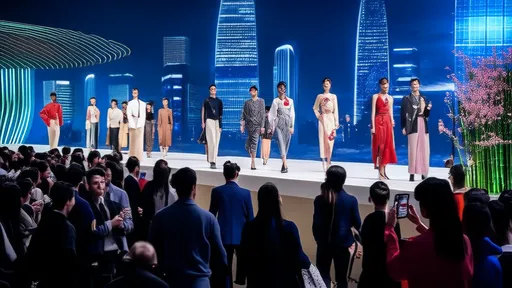
China's fashion market has quietly surpassed the trillion-yuan threshold, with industry estimates placing its current value between 2 and 3 trillion yuan. This monumental achievement represents more than just economic growth—it signals a fundamental transformation in how Chinese consumers engage with fashion, how brands operate, and how global fashion narratives are being rewritten.
The journey to this impressive scale has been decades in the making. From the uniform blues and grays of the Mao era to the explosive growth following economic reforms, Chinese fashion has undergone a revolution that mirrors the nation's broader transformation. What began as cautious experimentation with Western styles in the 1980s has evolved into a sophisticated, multi-layered market that simultaneously embraces global trends while rediscovering its own cultural roots.
What makes this moment particularly significant is the convergence of several powerful forces. Rising disposable incomes, urbanization, digital transformation, and a generational shift in consumer attitudes have created the perfect storm for fashion industry growth. The Chinese consumer, once primarily focused on practicality and value, has become increasingly sophisticated, discerning, and willing to invest in self-expression through clothing and accessories.
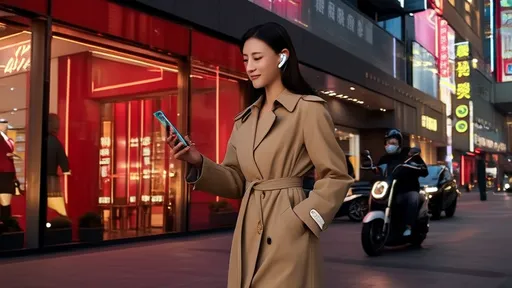
Perhaps the most dramatic shift has occurred in the digital realm. E-commerce platforms haven't merely provided new shopping channels—they've fundamentally reshaped the fashion ecosystem. Live-streaming commerce, social media influence, and algorithm-driven recommendations have created a dynamic environment where trends can emerge and spread with unprecedented speed. The line between content and commerce has blurred, with fashion becoming an integral part of China's digital culture and social interactions.
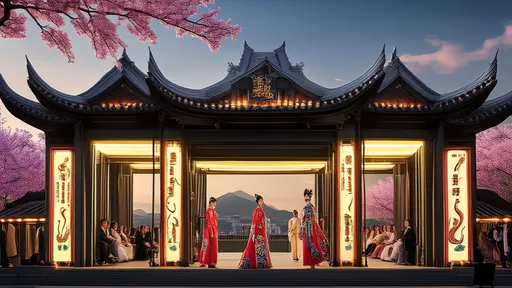
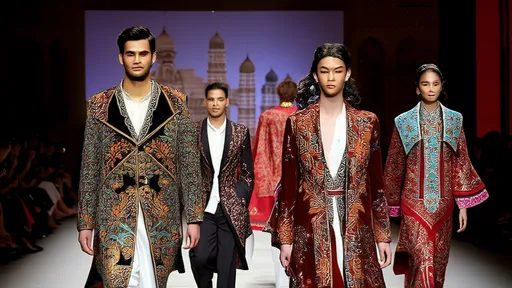
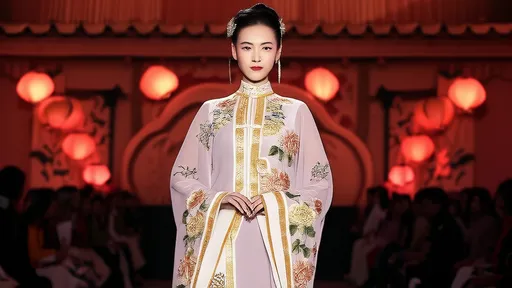
The rise of domestic brands represents another crucial dimension of this transformation. Where international luxury houses once dominated the premium segment, homegrown labels are now capturing significant market share and cultural relevance. These brands have mastered the art of blending contemporary design sensibilities with subtle Chinese cultural elements, creating products that resonate deeply with local consumers while maintaining global appeal.
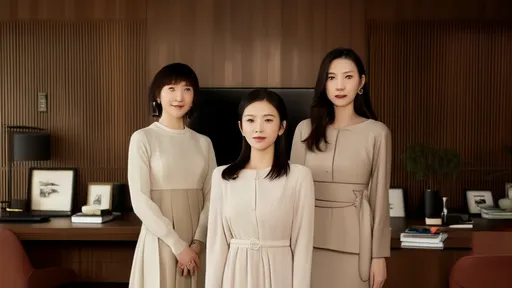
This cultural confidence marks a departure from earlier decades when Western brands were automatically perceived as superior. Today's Chinese consumers, particularly the younger generations, take pride in domestic creativity and craftsmanship. They appreciate brands that understand local body types, climate considerations, and cultural contexts—factors that global brands sometimes overlook.
Sustainability has emerged as a critical concern within this expanding market. Chinese consumers are becoming increasingly aware of fashion's environmental impact, driving demand for more responsible practices. This awareness is still evolving compared to Western markets, but the trajectory is clear. Brands that prioritize transparency, ethical sourcing, and circular business models are positioning themselves for long-term success.
The regulatory environment has also matured alongside the market's growth. Intellectual property protection, once a significant challenge, has improved considerably, though enforcement remains an ongoing effort. Consumer protection laws have strengthened, giving shoppers greater confidence in their purchases. These developments have created a more stable foundation for both domestic and international brands to operate and innovate.
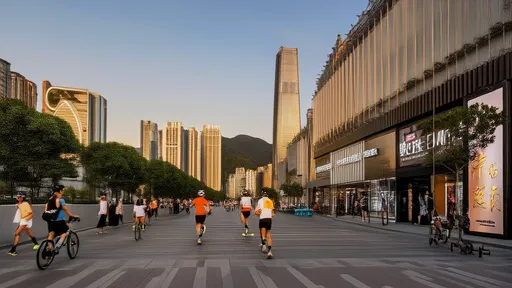
Looking at regional distribution, the fashion market's growth extends far beyond first-tier cities. Second and third-tier cities are experiencing particularly rapid expansion as infrastructure improves and disposable incomes rise. This geographical diversification presents both opportunities and challenges for brands, requiring tailored strategies for different market segments and regional preferences.
The luxury segment continues to demonstrate remarkable resilience, with Chinese consumers accounting for a growing share of global luxury spending. However, the nature of luxury consumption is changing. Ostentatious displays of wealth are giving way to more subtle, knowledge-based luxury where craftsmanship, heritage, and brand values matter as much as the logo itself.
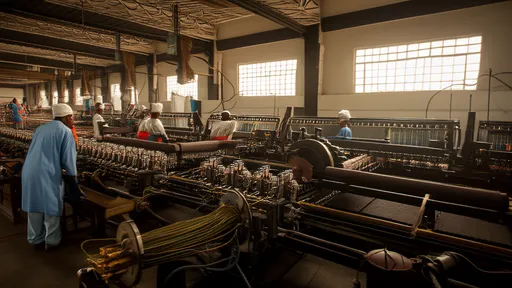
Meanwhile, the mass market segment is undergoing its own revolution. Fast fashion has been joined by ultra-fast fashion players who leverage digital supply chains to bring trends from runway to retail in record time. This segment faces increasing scrutiny regarding sustainability, but its popularity underscores Chinese consumers' appetite for novelty and variety.
Technology integration represents perhaps the most exciting frontier for China's fashion industry. Artificial intelligence is being deployed for personalized recommendations, virtual try-ons, and supply chain optimization. Augmented reality fitting rooms, blockchain for authentication, and data analytics for trend forecasting are becoming standard tools for forward-thinking brands.
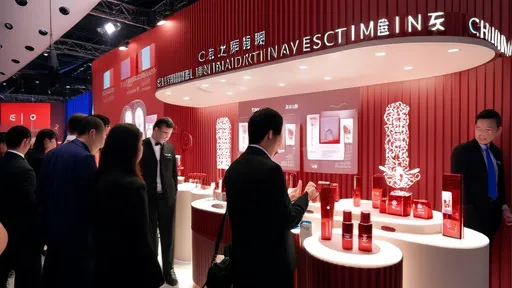
The role of physical retail has transformed dramatically. Rather than disappearing in the age of e-commerce, brick-and-mortar stores have evolved into experiential destinations. Flagship stores now function as cultural spaces, hosting events, exhibitions, and social gatherings that build community around brands. The integration of online and offline channels has become essential for creating seamless customer experiences.
Looking ahead, several trends seem poised to shape the next chapter of China's fashion evolution. The continued rise of conscious consumption, deeper integration of technology, further blurring of gender boundaries in fashion, and the global expansion of Chinese brands all represent significant opportunities. The market's sheer scale means that even niche segments can support substantial businesses.
International brands looking to succeed in this complex market must move beyond simplistic approaches. Understanding regional variations, digital ecosystems, and cultural nuances has become non-negotiable. Success requires genuine engagement with Chinese consumers rather than treating the market as a mere revenue source.
For domestic brands, the challenge lies in maintaining their cultural authenticity while scaling operations and potentially expanding internationally. The ones that succeed will be those that can tell compelling Chinese stories through global design languages, creating products that resonate both at home and abroad.
The transformation of China's fashion market reflects broader changes in Chinese society—increasing confidence, digital sophistication, and a renegotiation of the relationship between global and local influences. As the market continues to evolve, it will undoubtedly produce innovations and business models that influence global fashion far beyond China's borders.
What began as economic activity has blossomed into a form of cultural expression, personal identity, and even social commentary. The 2-3 trillion yuan figure, while impressive, only tells part of the story. The true significance lies in how fashion has become woven into the fabric of modern Chinese life, reflecting the nation's complexities, aspirations, and evolving relationship with the world.

By /Oct 23, 2025

By Michael Brown/Oct 23, 2025
By /Oct 23, 2025
By /Oct 23, 2025
By /Oct 23, 2025
By /Oct 23, 2025
By /Oct 23, 2025
By /Oct 23, 2025
By Samuel Cooper/Oct 23, 2025
By /Oct 23, 2025
By /Oct 23, 2025

By /Oct 23, 2025

By /Oct 23, 2025
By /Oct 23, 2025
By Daniel Scott/Oct 23, 2025
By /Oct 23, 2025
By /Oct 23, 2025
By /Oct 23, 2025
By /Oct 23, 2025
By /Oct 23, 2025