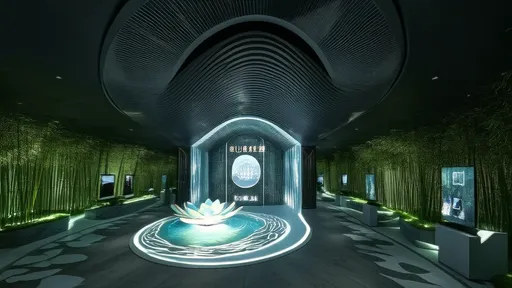
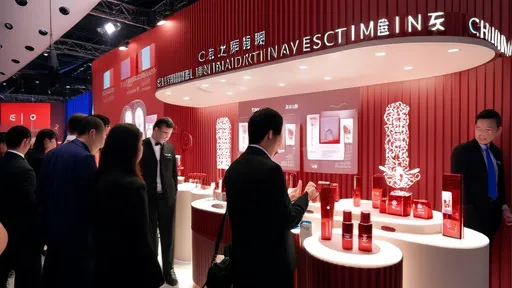
In the heart of Shanghai's bustling exhibition district, a remarkable showcase is redefining the narrative of Chinese design and innovation. The Oriental Beauty Domain, a permanent exhibition space dedicated to Chinese brands, has unveiled its latest thematic presentation, weaving together two seemingly distinct threads into a cohesive tapestry of modern creativity. The dual themes of technology and aesthetics form the backbone of this immersive experience, challenging conventional perceptions of Chinese manufacturing while establishing new paradigms for global design.
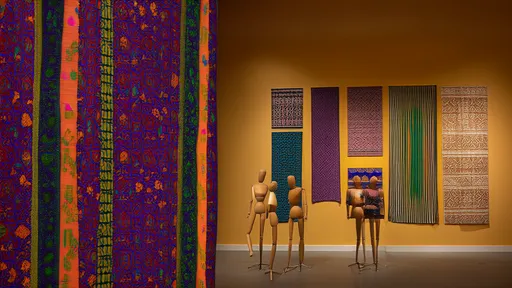
The moment visitors step into the expansive hall, they're greeted by an installation that perfectly encapsulates the exhibition's core philosophy. A flowing silk fabric, embedded with responsive LED fibers, dances and changes color in response to movement and sound. This opening statement makes clear that here, technology doesn't serve merely functional purposes but becomes an integral element of artistic expression. The marriage of traditional Chinese textile craftsmanship with cutting-edge lighting technology creates an experience that is simultaneously nostalgic and futuristic, establishing the tone for what lies beyond.
Walking through the carefully curated spaces, one encounters brands that have mastered the delicate balance between technological innovation and aesthetic appeal. A prominent smartphone manufacturer presents its latest device not as a mere communication tool but as a work of art, with a ceramic back panel that references Song Dynasty porcelain while housing the most advanced processor available. The demonstration area shows how the phone's camera algorithms have been specifically tuned to capture the subtle gradations of Chinese ink wash paintings, demonstrating how technology can be culturally contextualized rather than universally standardized.
In the home appliances section, another revelation awaits. A refrigerator with a surface that mimics the texture of handmade rice paper stands beside an air purifier whose form draws inspiration from classical Chinese garden windows. The engineers and designers behind these products explain how they spent months researching historical artifacts and architectural elements to create products that feel inherently Chinese while performing at the highest technological standards. The refrigerator's cooling system uses AI to optimize energy consumption based on usage patterns, while the air purifier employs quantum dot technology to eliminate pollutants at a molecular level.
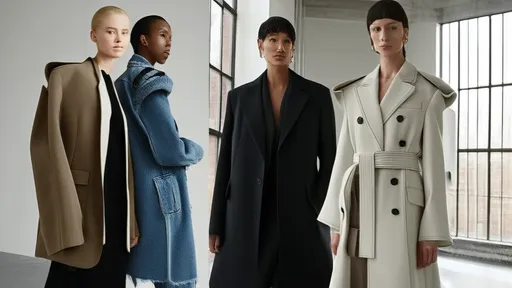
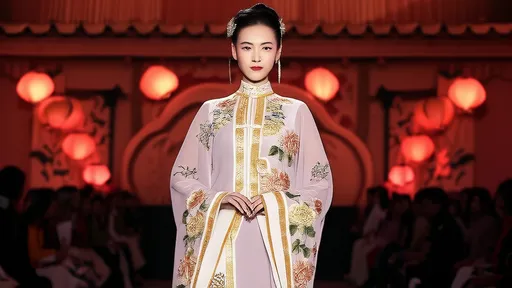
The fashion and wearable technology section presents perhaps the most striking fusion of the two themes. A display of smart jewelry features pieces that monitor health metrics while embodying the elegance of Ming Dynasty hair ornaments. Another showcase presents athletic wear woven with phase-change materials that regulate body temperature, with patterns derived from traditional cloud motifs. What makes these innovations particularly compelling is how seamlessly the technological components integrate with the aesthetic elements – the sensors are invisible, the wiring becomes part of the decorative pattern, and the data collection happens unobtrusively.
Beyond product displays, the exhibition explores how Chinese brands are reimagining retail spaces and customer experiences through technological enhancement. An interactive wall allows visitors to visualize how furniture would look in their homes using augmented reality, while a tea ceremony station uses biometric sensors to recommend tea varieties based on the participant's stress levels. These implementations demonstrate a sophisticated understanding of how technology can enrich rather than replace human experiences, preserving cultural rituals while making them more accessible and personalized.
The exhibition doesn't shy away from addressing the challenges inherent in balancing technological advancement with aesthetic preservation. A dedicated section showcases prototypes and failed experiments – a smartphone that became too heavy when incorporating jade elements, a refrigerator whose traditional lacquer finish interfered with thermal regulation. These honest displays provide valuable insight into the complex design processes behind the successful products, highlighting the numerous iterations and compromises required to achieve the perfect synthesis.
Perhaps the most thought-provoking aspect of the Oriental Beauty Domain is its demonstration of how Chinese aesthetics are influencing global technology design. Rather than simply adopting Western design principles, these brands are developing their own visual language rooted in Chinese philosophy and artistic traditions. The results are products that feel distinctive and culturally grounded while competing with international counterparts on technical specifications. This represents a significant shift from China's historical role as manufacturer to its emerging position as innovator and taste-maker.
The exhibition's educational component includes workshops where visitors can experience the design process firsthand. Participants work with both traditional craftspeople and software engineers to create objects that blend manual techniques with digital fabrication. These sessions reveal how the dialogue between ancient skills and modern technology can produce outcomes that neither could achieve alone. A young participant creating a 3D-printed vase with surface patterns generated by AI trained on Song Dynasty ceramics exemplifies this synergistic potential.
As the exhibition makes clear, the integration of technology and aesthetics extends beyond product design to encompass brand storytelling and corporate identity. The participating companies have developed comprehensive narratives that connect their technological capabilities to China's rich cultural heritage. This represents a maturation of Chinese branding, moving from competing primarily on price to establishing emotional connections with consumers through shared values and cultural resonance.
The timing of this exhibition coincides with a broader transformation in global perceptions of Chinese creativity. For decades, Chinese manufacturing was associated with quantity over quality, replication over innovation. The Oriental Beauty Domain presents compelling evidence that this narrative is changing. The brands featured here are not just improving upon existing ideas but introducing completely new approaches to design and technology integration.
Looking toward the future, the exhibition hints at even more ambitious integrations of technology and aesthetics. Conceptual displays show how artificial intelligence might collaborate with human designers to create products that adapt their appearance based on context and user preferences. Another speculative project explores how nanotechnology could enable materials that change color and texture like traditional silks while providing structural strength or environmental monitoring capabilities.
The success of the Oriental Beauty Domain lies not just in its individual products but in its comprehensive vision of what Chinese innovation can represent. By refusing to treat technology and aesthetics as separate concerns, the participating brands have developed a distinctive approach that could influence global design trends. The exhibition makes a powerful case for culturally grounded innovation, demonstrating how specific artistic traditions can inform universal technological progress.
As visitors exit through the same interactive silk installation they encountered upon entry, the transformation in their perception is palpable. What initially appeared as a beautiful technological marvel now resonates with deeper meaning – it represents the possibility of creating technology that doesn't just serve practical needs but enriches human experience through beauty and cultural connection. The Oriental Beauty Domain has achieved more than showcasing products; it has articulated a philosophy for the future of Chinese design, one where technology and aesthetics are not competing priorities but complementary forces driving innovation forward.

By /Oct 23, 2025

By Michael Brown/Oct 23, 2025
By /Oct 23, 2025
By /Oct 23, 2025
By /Oct 23, 2025
By /Oct 23, 2025
By /Oct 23, 2025
By /Oct 23, 2025
By Samuel Cooper/Oct 23, 2025

By /Oct 23, 2025
By /Oct 23, 2025

By /Oct 23, 2025
By /Oct 23, 2025
By /Oct 23, 2025

By Daniel Scott/Oct 23, 2025
By /Oct 23, 2025
By /Oct 23, 2025
By /Oct 23, 2025
By /Oct 23, 2025
By /Oct 23, 2025