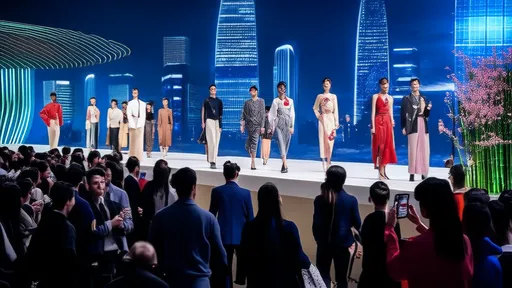
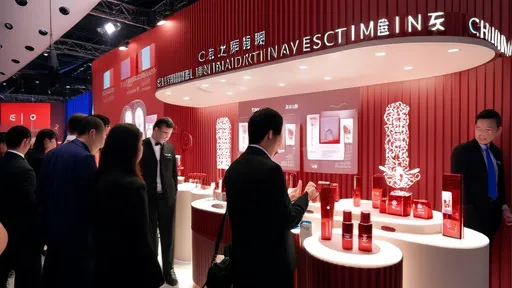
In a spectacular showcase of cultural heritage meeting modern innovation, over 70 leading Chinese beauty brands recently transformed the "Oriental Beauty Realm" China Brand Pavilion into a breathtaking panorama of Eastern aesthetics. The event marked a significant milestone in the global beauty industry's evolution, presenting an unprecedented concentration of Chinese cosmetic excellence that challenged conventional Western-dominated beauty narratives.
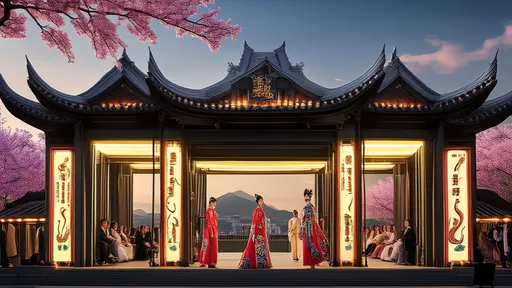
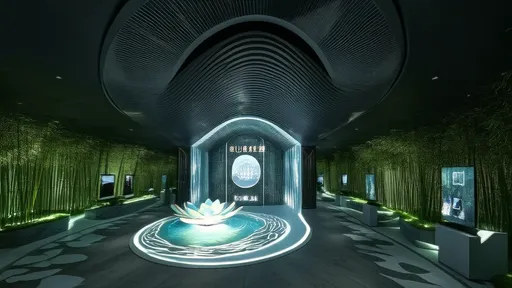
The pavilion itself served as a architectural masterpiece, blending traditional Chinese design elements with contemporary exhibition aesthetics. Walking through the intricately designed spaces felt like journeying through centuries of Chinese beauty traditions while simultaneously witnessing their modern reinterpretation. Each brand's booth told a unique story - from centuries-old herbal recipes passed down through generations to cutting-edge biotechnology developed in Shanghai's advanced laboratories. The air carried subtle fragrances of tea, lotus, and rare Chinese herbs, creating an olfactory experience that transported visitors to the heart of Eastern wellness philosophy.
What distinguished this gathering from typical beauty exhibitions was the profound cultural foundation underlying every product presentation. Rather than following global beauty trends, these brands demonstrated how traditional Chinese medicine principles, ancient beauty rituals, and cultural symbols were being reinvented for contemporary consumers. Visitors encountered face masks infused with pearl powder once reserved for imperial consorts, skincare harnessing the power of ginseng roots harvested from specific mountainous regions, and color cosmetics drawing inspiration from Tang Dynasty art and Ming Dynasty porcelain.
The diversity among participating brands reflected the multifaceted nature of China's beauty landscape. Established heritage brands with century-long histories stood alongside innovative startups founded in the past five years. Some companies focused exclusively on traditional Chinese medicine formulations, while others specialized in merging Eastern ingredients with Western scientific approaches. This variety demonstrated the dynamic ecosystem of Chinese beauty, where respect for tradition coexists with relentless innovation.
Several standout brands captured particular attention for their unique approaches to beauty. One company presented a complete skincare line based on imperial palace recipes from the Qing Dynasty, using extraction methods that preserved the potency of rare botanicals. Another showcased sustainable packaging inspired by Chinese folding screens, demonstrating how environmental consciousness aligns with cultural expression. A third brand attracted crowds with its AI-powered skin analysis system that incorporated traditional Chinese medicine diagnostic principles.
The ingredient innovation displayed throughout the pavilion represented another significant aspect of China's beauty revolution. Beyond the familiar ginseng and green tea, visitors discovered products featuring snow lotus from high-altitude regions, fermented herbs using ancient techniques, and marine ingredients from China's coastal waters. Each ingredient story was deeply connected to specific geographical regions, highlighting how terroir influences beauty efficacy in Chinese cosmetic philosophy.
Technology integration emerged as a defining characteristic of the new generation of Chinese beauty brands. Augmented reality mirrors allowed virtual try-ons of lipsticks shades inspired by different Chinese dynasties' color palettes. Blockchain technology traced ingredient origins back to specific farms and harvest dates. Smart devices combined traditional gua sha techniques with electronic massage functions, creating hybrid products that appealed to both traditionalists and tech enthusiasts.
The business implications of this collective showcase extended far beyond the exhibition walls. Industry observers noted how these brands are strategically positioning themselves in the global market. Rather than simply exporting products, they're exporting complete beauty philosophies and lifestyle concepts. The emphasis on wellness, prevention, and holistic approaches represents a significant differentiation from Western beauty paradigms focused primarily on correction and coverage.
Consumer response during the event revealed shifting preferences in the global beauty market. International buyers expressed particular interest in products with authentic cultural stories and proven historical efficacy. The appeal wasn't just in exotic ingredients but in the complete narrative - how centuries of beauty wisdom could be validated by modern science and delivered through luxurious user experiences.
Marketing strategies observed at the event demonstrated sophisticated understanding of global consumer behavior. Brands employed digital storytelling that translated complex traditional concepts into relatable modern benefits. Social media integration allowed real-time engagement with global audiences, while educational content helped demystify traditional Chinese beauty concepts for international consumers. The packaging designs alone served as cultural ambassadors, featuring artistic interpretations of Chinese calligraphy, landscape paintings, and symbolic patterns.
The sustainability angle presented another compelling aspect of China's beauty evolution. Multiple brands highlighted their commitment to environmental responsibility through various initiatives - from supporting biodiversity conservation of native botanical species to implementing circular economy principles in their manufacturing processes. This environmental consciousness, combined with cultural authenticity, created powerful brand narratives that resonated with increasingly values-driven global consumers.
Industry experts present at the event noted the strategic timing of this collective presentation. As global consumers become more educated about ingredients and manufacturing processes, Chinese brands' emphasis on transparency and tradition positions them advantageously. The detailed information provided about sourcing, extraction methods, and historical context addressed modern consumers' desire for authenticity and substance in their beauty purchases.
The educational component of the exhibition proved equally important as the commercial aspects. Many brands invested significant resources in explaining the science behind traditional ingredients and techniques. Interactive displays demonstrated how modern research validates ancient beauty practices, while workshops taught proper application methods that maximize product efficacy. This educational approach helps build long-term consumer relationships based on trust and understanding rather than fleeting trends.
Looking forward, the success of this collective showcase suggests a significant shift in the global beauty industry's power dynamics. Chinese brands are no longer content with following international trends but are actively defining new beauty paradigms rooted in their cultural heritage. The fusion of ancient wisdom with modern innovation creates unique value propositions that differentiate them in an increasingly crowded marketplace.
The event also highlighted how Chinese beauty brands are redefining luxury in the cosmetic space. Rather than relying on European notions of luxury, they're building their own definitions based on rarity of ingredients, depth of cultural significance, and sophistication of manufacturing techniques. This confident assertion of cultural identity represents a maturation of China's beauty industry and its readiness to compete on the global stage.
As the exhibition concluded, the lingering impression was of an industry at a pivotal moment of global emergence. The over 70 brands present not only showcased products but collectively presented a compelling vision of how Chinese beauty philosophy can enrich and diversify global beauty culture. Their success will likely inspire similar cultural rediscoveries and innovations in other markets, potentially leading to a more diverse and culturally rich global beauty landscape.
The "Oriental Beauty Realm" event ultimately served as a powerful statement about cultural confidence and innovation. It demonstrated how deep cultural roots, when combined with forward-thinking approaches to science, sustainability, and consumer engagement, can create compelling global brands. As these Chinese beauty companies continue their international expansion, they carry not just products but entire beauty philosophies that challenge, complement, and enrich existing global beauty narratives.

By /Oct 23, 2025
By Michael Brown/Oct 23, 2025
By /Oct 23, 2025
By /Oct 23, 2025
By /Oct 23, 2025
By /Oct 23, 2025
By /Oct 23, 2025
By /Oct 23, 2025
By Samuel Cooper/Oct 23, 2025
By /Oct 23, 2025
By /Oct 23, 2025
By /Oct 23, 2025
By /Oct 23, 2025
By /Oct 23, 2025
By Daniel Scott/Oct 23, 2025
By /Oct 23, 2025
By /Oct 23, 2025
By /Oct 23, 2025
By /Oct 23, 2025
By /Oct 23, 2025