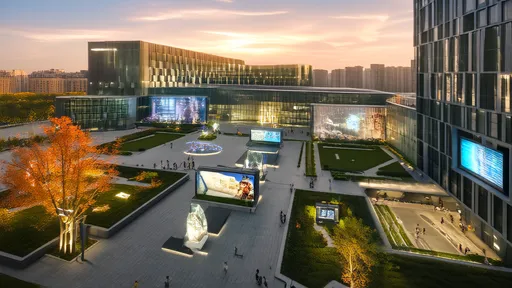
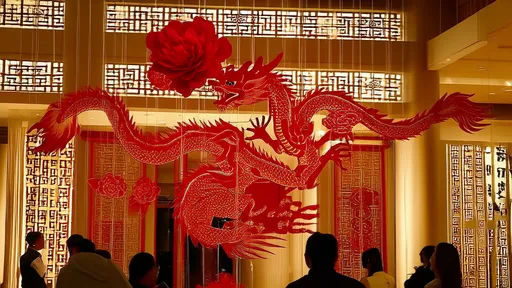
The ancient city of Xi'an, once the eastern terminus of the legendary Silk Road, is once again playing host to a grand convergence of cultures and artistic traditions. The "Today's Silk Road" International Art Exhibition has opened its doors, bringing together an unprecedented collection of 79 nations in a vibrant tapestry of visual dialogue that spans continents and centuries. Against the backdrop of Xi'an's historic city walls and modern galleries, this exhibition represents more than just a display of artistic mastery—it serves as a living bridge between civilizations, echoing the spirit of exchange that once defined the ancient trade routes.
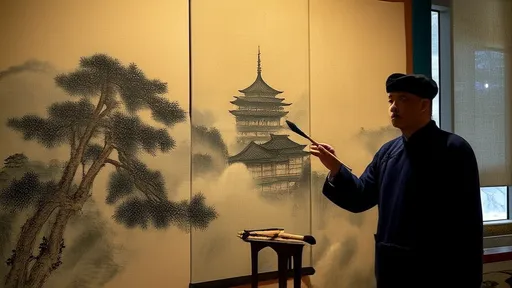
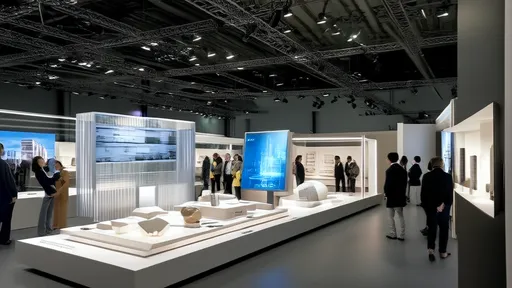
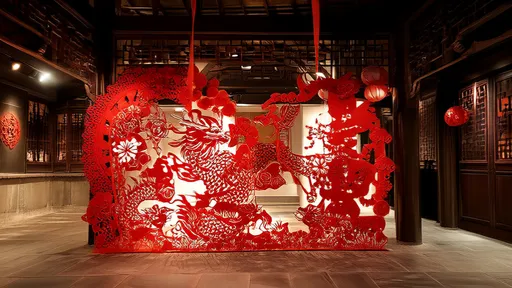
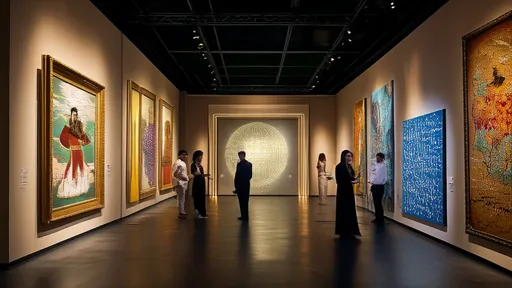
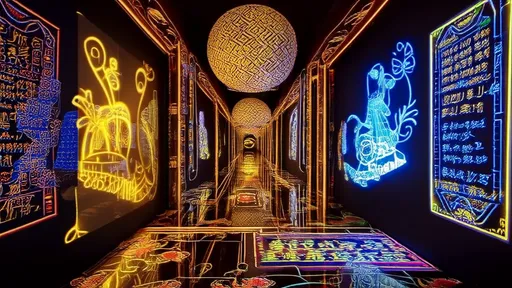
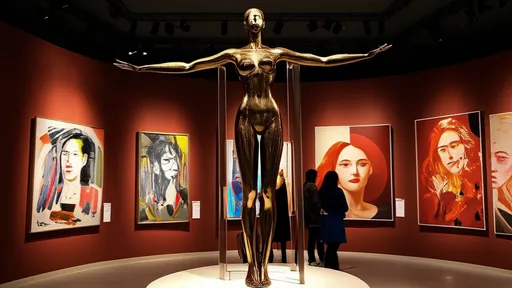
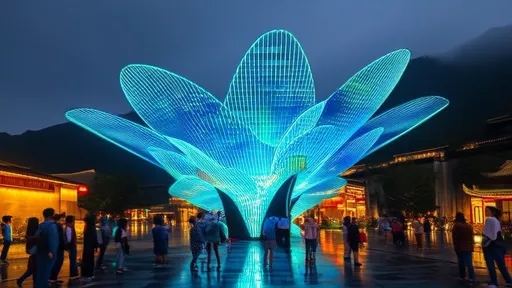
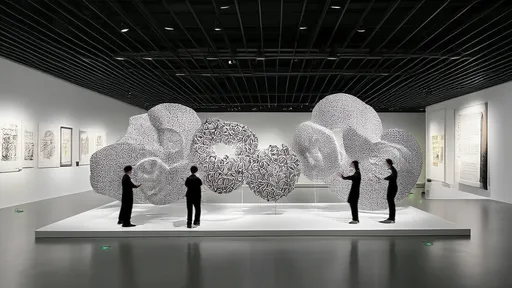
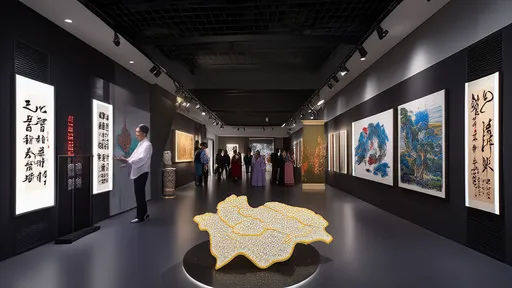
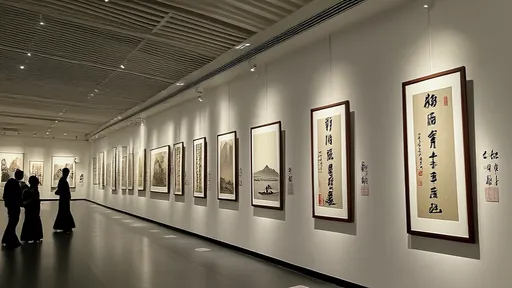
Walking through the exhibition halls, one is immediately struck by the sheer diversity of artistic expression. From the intricate miniature paintings of Uzbekistan that recall the glory of Samarkand to the bold, contemporary installations from European artists, the exhibition creates a visual symphony of human creativity. What makes this collection particularly remarkable is how it simultaneously honors traditional techniques while embracing modern interpretations. A Turkish artist's reinterpretation of classic Iznik pottery patterns using digital media stands in fascinating conversation with a Chinese master's ink wash paintings inspired by Tang dynasty poetry. This juxtaposition creates a dynamic tension that speaks to both the preservation of cultural heritage and the inevitable evolution of artistic expression in our globalized world.
The exhibition's curatorial team has masterfully organized the works not by geographical origin but by thematic connections, creating unexpected dialogues between artists who might otherwise never share gallery space. In one particularly powerful section, works exploring the theme of "journey" bring together a Norwegian artist's haunting landscapes of fjords with a Senegalese artist's vibrant depictions of migration. The visual conversation transcends language barriers and political boundaries, reminding visitors of our shared human experiences. As one curator explained during the opening ceremony, "The goal was never to create separate national pavilions but to demonstrate how art naturally flows across borders, much like the merchants and ideas of the ancient Silk Road."
Beyond the visual spectacle, the exhibition has sparked numerous academic discussions and cultural exchanges. Daily symposiums feature artists, scholars, and cultural historians debating topics ranging from the preservation of intangible cultural heritage to the role of art in diplomatic relations. These conversations often extend late into the evening, continuing in the cafes and courtyards surrounding the exhibition venues. The energy is palpable—reminiscent of the intellectual exchanges that once occurred in the caravanserais along the Silk Road, where philosophers, scientists, and artists from different civilizations would share knowledge and ideas.
The timing of this exhibition is particularly significant, coming at a moment when global tensions and nationalist sentiments threaten to divide nations. In this context, the exhibition serves as a powerful reminder of what can be achieved through cultural dialogue and mutual respect. As the director of the hosting museum noted in his opening address, "When we stand before a masterpiece from a culture different from our own, we are given the opportunity to see the world through another's eyes. This act of shared looking, of trying to understand another's perspective, is the foundation of true civilization exchange."
Local response to the exhibition has been overwhelmingly positive, with visitor numbers exceeding all expectations. Xi'an residents, proud of their city's historical role in international exchange, have embraced the event with particular enthusiasm. Schools have organized field trips, university art departments have scheduled special lectures around the exhibition, and local artists have found new inspiration in the diverse works on display. The exhibition has sparked what many are calling a "Silk Road Renaissance" in the city's artistic community, with collaborations already forming between Chinese artists and their international counterparts.
The economic and cultural impact extends beyond the gallery walls. Local businesses, from hotels to restaurants, report increased activity, while cultural tourism in the region has received a significant boost. More importantly, the exhibition has established lasting connections between participating countries, with several already planning reciprocal exhibitions and artist residency programs. These ongoing exchanges promise to continue the spirit of the Silk Road long after the current exhibition concludes.
What becomes abundantly clear to any visitor is that this exhibition represents more than just an art show—it's a living embodiment of cultural diplomacy in action. The careful selection of works demonstrates both the unique character of each participating nation's artistic tradition and the universal themes that bind humanity together. From representations of family life to explorations of spiritual beliefs, from celebrations of natural beauty to critiques of social issues, the exhibition reveals both our differences and our common humanity.
As the sun sets over Xi'an, casting long shadows across the ancient city walls that once witnessed countless caravans departing for distant lands, the exhibition continues to draw crowds. Visitors move slowly through the galleries, pausing before works that speak to them across cultural divides, engaging in conversations with strangers about what they're seeing and feeling. In these moments, the spirit of the Silk Road feels vividly alive—not as a historical relic but as a living, breathing exchange of ideas and beauty. The artworks serve as both artifacts of their respective cultures and messengers to the world, continuing the ancient tradition of connection that made the Silk Road one of history's most remarkable chapters in human civilization.
The success of this exhibition suggests a promising future for cultural exchange along the modern Silk Road. With plans already underway to make this a biennial event and to expand the participation to even more countries, the "Today's Silk Road" International Art Exhibition appears poised to become a cornerstone of international cultural diplomacy. As one visiting diplomat observed, "In a world too often focused on what divides us, this exhibition reminds us of the beauty that emerges when we choose to connect. It demonstrates that the most enduring legacy of the Silk Road was never the goods that were traded, but the understanding that was built between civilizations."
By /Oct 24, 2025
By /Oct 24, 2025
By /Oct 24, 2025
By Jessica Lee/Oct 24, 2025
By Emma Thompson/Oct 24, 2025
By /Oct 24, 2025
By James Moore/Oct 24, 2025
By /Oct 24, 2025
By /Oct 24, 2025
By /Oct 24, 2025
By /Oct 24, 2025
By /Oct 24, 2025
By /Oct 24, 2025
By Sarah Davis/Oct 24, 2025
By /Oct 24, 2025

By /Oct 24, 2025
By /Oct 24, 2025
By /Oct 24, 2025
By /Oct 24, 2025
By /Oct 24, 2025