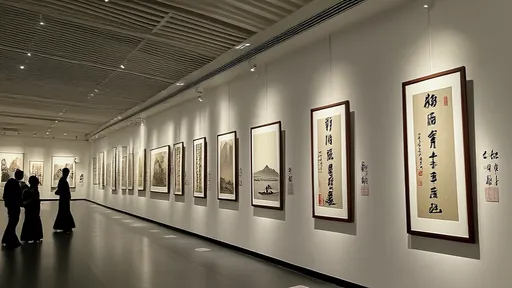
Silk Road Affection, Shared Beauty: The International Art Invitation Exhibition of the Silk Road Today opened its grand doors to the public last Friday at the National Art Museum, marking a significant milestone in cross-cultural artistic dialogue. The exhibition, which brings together over 200 artworks from 35 countries along the historic Silk Road routes, has already attracted thousands of visitors in its first week, with art critics praising its innovative approach to bridging ancient traditions with contemporary expressions.
The curator, Dr. Elena Vasquez, emphasized that this is not merely an art show but a living testament to the enduring spirit of cultural exchange. What makes this exhibition truly remarkable is how it transcends geographical boundaries while honoring distinct cultural identities. We have artists from Istanbul collaborating with painters from Xi'an, ceramicists from Persia exchanging techniques with potters from Kyoto - this is the modern Silk Road in action.
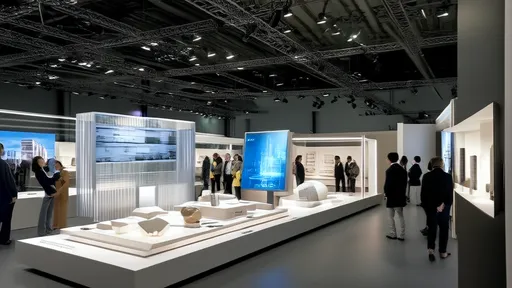
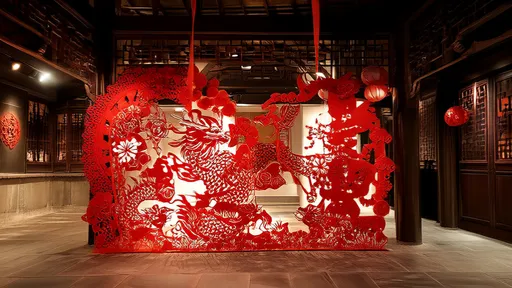
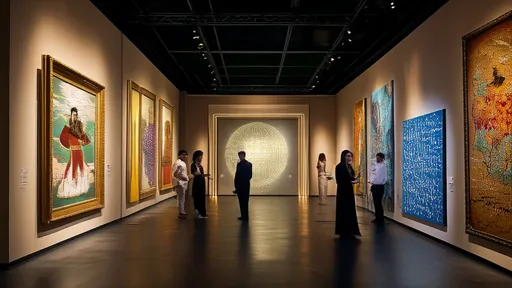
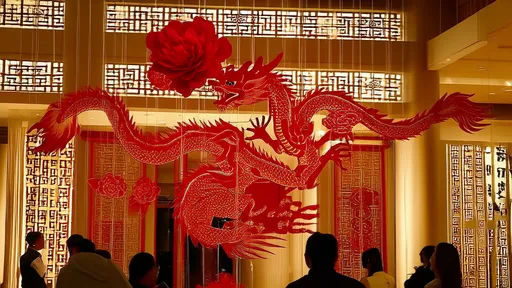
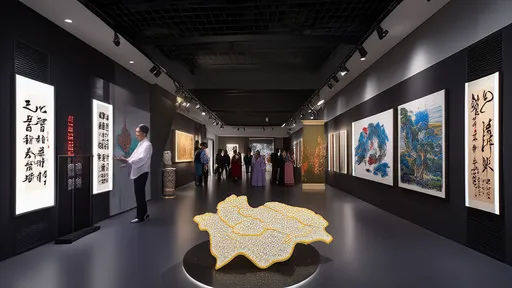
Walking through the exhibition halls, visitors are immediately struck by the diversity of mediums and styles. Traditional Chinese ink wash paintings hang alongside digital installations from Central Asia, while ancient textile patterns from Uzbekistan find new life in contemporary fashion designs from Milan. The deliberate curation creates a visual conversation across time and space, where a 14th-century ceramic fragment from Damascus might be displayed next to a virtual reality interpretation of the same artifact by a young tech artist from Seoul.
The thematic organization of the exhibition deserves special mention. Rather than grouping works by country or medium, the curators have arranged them according to universal human experiences - love, journey, memory, and harmony. This clever approach allows visitors to appreciate how different cultures express similar emotions and concepts through their unique artistic lenses. A visitor from Morocco might find surprising connections between their traditional music-inspired artworks and the sound-based installations from Indonesia, realizing that human creativity, while diverse in manifestation, springs from common wells of inspiration.
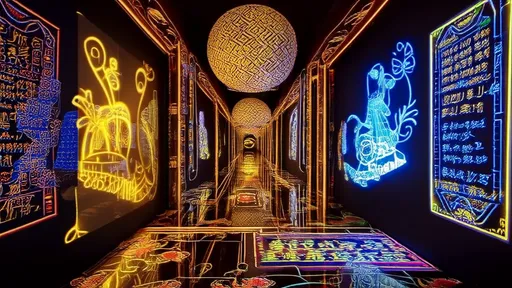
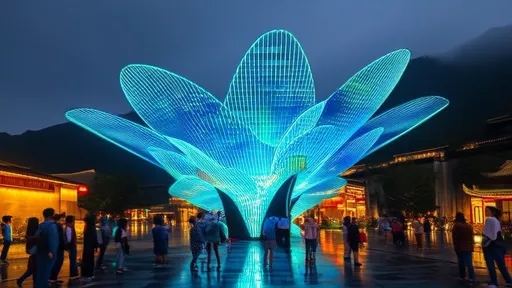
One of the most talked-about sections features contemporary interpretations of traditional Silk Road motifs. Here, we see how the iconic pomegranate pattern, once woven into Persian carpets, has been reimagined as a kinetic sculpture by an artist from Azerbaijan. The celestial maps that guided ancient travelers across deserts now appear as interactive light projections created by a collective of artists from Kazakhstan and Turkey. These works don't just reference history - they engage in active dialogue with it, asking what these ancient symbols mean in our globalized present.
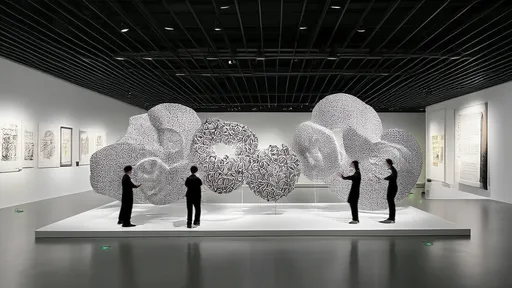
The exhibition particularly shines in its presentation of textile arts, historically among the most treasured commodities along the Silk Road. Modern textile artists have taken this legacy and woven it into stunning contemporary pieces. We see Indian silk embroiderers incorporating LED threads into their work, creating tapestries that change color with ambient temperature. Central Asian felt makers have developed new techniques that allow their traditional patterns to become three-dimensional installations. A collaborative piece between Egyptian and Chinese textile artists uses augmented reality to tell the story of fabric trade routes - when viewed through a smartphone, the textile reveals hidden patterns and historical information.
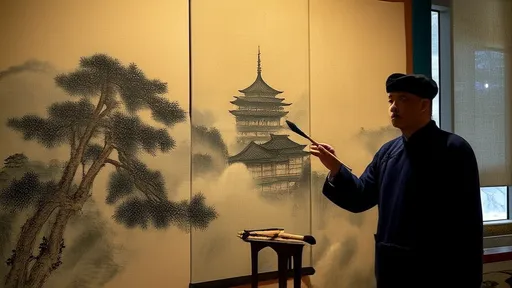
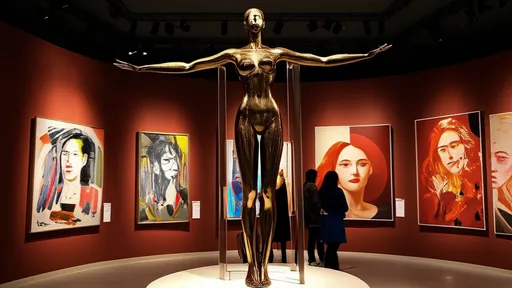
Painting, of course, remains a vital medium in this cross-cultural conversation. The exhibition features several remarkable series where artists have consciously incorporated techniques and themes from other Silk Road cultures. A Bulgarian painter has mastered the delicate art of Chinese landscape painting while infusing it with Balkan color sensibilities. Meanwhile, a Japanese Nihonga artist has created stunning works using traditional mineral pigments to depict Central Asian landscapes, resulting in a fascinating fusion of Eastern artistic disciplines.
Perhaps the most emotionally resonant section is dedicated to personal journeys and migrations. Here, artists explore what it means to carry cultural heritage across borders in the modern world. Video installations document the stories of contemporary nomads - not just traders, but students, entrepreneurs, and refugees whose lives continue the Silk Road's legacy of movement and exchange. These works are particularly powerful in how they connect the ancient routes of commerce with today's patterns of global mobility, suggesting that the desire to connect and explore remains fundamental to human nature.
The exhibition also makes a significant contribution to art historical scholarship. For the first time, researchers have been able to compare artistic developments across the entire Silk Road region during the same historical periods. The accompanying catalog includes essays by international scholars tracing how certain artistic motifs traveled and transformed as they moved from China to the Mediterranean. This research reveals unexpected connections - for instance, how certain blue pigments used in Renaissance paintings likely originated from the same Afghan mines that supplied Chinese porcelain makers centuries earlier.
Educational programs form an essential component of the exhibition. Daily workshops allow visitors to try their hand at various Silk Road artistic traditions under the guidance of master artists. Children particularly enjoy the storytelling sessions where ancient tales from different cultures are brought to life through shadow puppetry and digital animation. University students from participating countries serve as cultural ambassadors, sharing insights about the artworks while learning from each other's perspectives.
Technology plays a crucial role in making the exhibition accessible to global audiences. A comprehensive digital archive allows virtual visitors to explore high-resolution images of all artworks, while augmented reality features provide additional context about artistic techniques and cultural significance. The exhibition's mobile app includes audio guides in twelve languages, reflecting the linguistic diversity of the historic Silk Road.
The economic and diplomatic impact of such cultural initiatives cannot be overstated. This exhibition has already sparked several bilateral cultural agreements between participating countries. Gallery owners and museum directors from different nations have begun discussions about touring versions of the exhibition and establishing permanent collections dedicated to Silk Road art. These developments suggest that cultural diplomacy, when approached with genuine respect and curiosity, can build bridges where political dialogue sometimes struggles.
Looking toward the future, the organizers plan to make this a recurring event, with the next edition scheduled for 2025 in Istanbul. The success of the current exhibition demonstrates there is both appetite and need for platforms that celebrate cultural diversity while highlighting our shared humanity. As one visitor from Georgia remarked after spending three hours exploring the galleries, I came expecting to see beautiful art from different countries, but I left understanding that beauty itself knows no borders.
The exhibition continues through the end of the month, with special events including artist talks, cultural performances, and academic symposia scheduled throughout its run. For those unable to visit in person, the virtual exhibition will remain accessible indefinitely, ensuring that the spirit of cultural exchange continues to inspire long after the physical artworks return to their home institutions. In an era of increasing globalization yet persistent cultural misunderstandings, initiatives like the International Art Invitation Exhibition of the Silk Road Today remind us of art's unique power to connect, communicate, and celebrate our diverse yet interconnected world.
By /Oct 24, 2025
By /Oct 24, 2025
By /Oct 24, 2025
By Jessica Lee/Oct 24, 2025
By Emma Thompson/Oct 24, 2025
By /Oct 24, 2025
By James Moore/Oct 24, 2025
By /Oct 24, 2025
By /Oct 24, 2025
By /Oct 24, 2025
By /Oct 24, 2025
By /Oct 24, 2025
By /Oct 24, 2025
By Sarah Davis/Oct 24, 2025
By /Oct 24, 2025

By /Oct 24, 2025
By /Oct 24, 2025
By /Oct 24, 2025
By /Oct 24, 2025
By /Oct 24, 2025