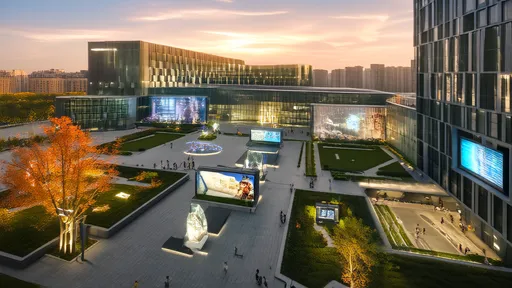
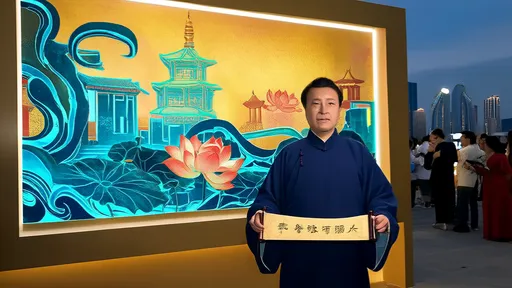
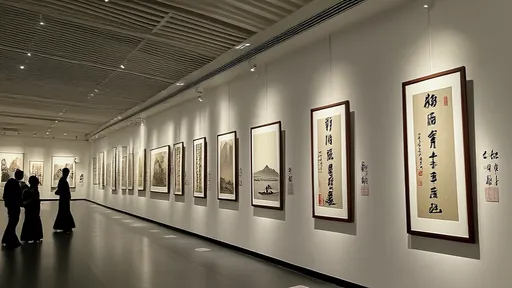
In a groundbreaking cultural exchange that bridges Italian design excellence with ancient Chinese heritage, Politecnico di Milano has unveiled its architectural masterpieces at the Silk Road Art Exhibition for the first time. The event, hosted at the Xi'an Contemporary Art Museum, represents a significant milestone in cross-cultural dialogue between Europe and Asia, bringing Renaissance-inspired architectural philosophy to the historical terminus of the Silk Road.
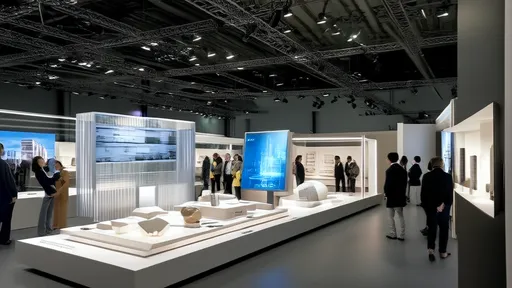
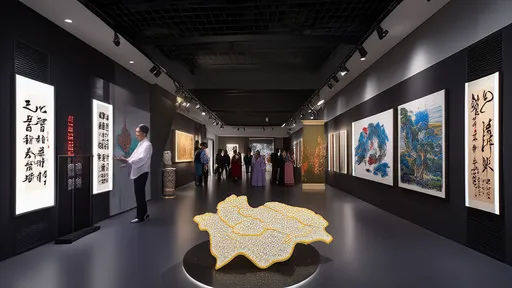
The exhibition features thirty-five meticulously curated architectural models and digital installations from Politecnico di Milano's most promising graduates and established faculty members. These works demonstrate a fascinating synthesis of Italian architectural tradition with contemporary sustainable design principles. Professor Giovanni Rossi, head of the university's architecture department, emphasized during the opening ceremony that this exhibition represents more than just displaying beautiful structures—it's about creating a dialogue between civilizations that have shaped human progress for centuries.
Historical Echoes and Modern Interpretations
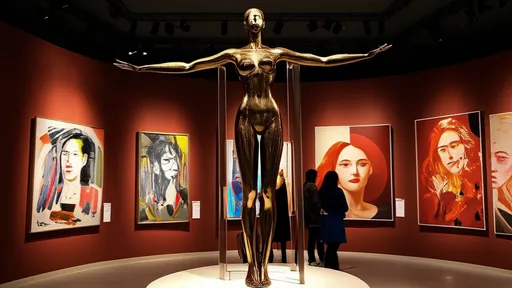
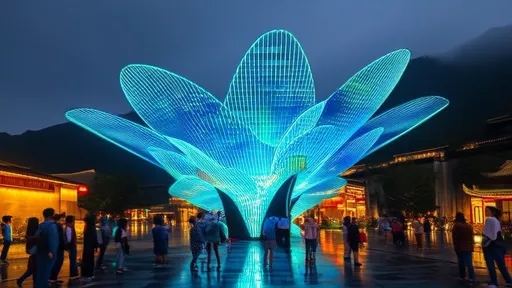
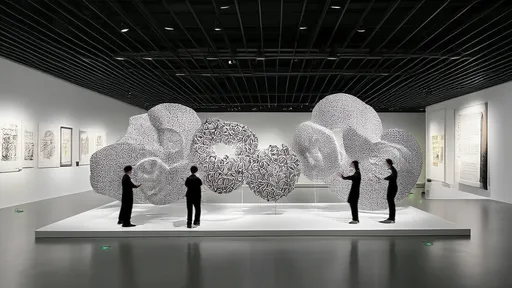
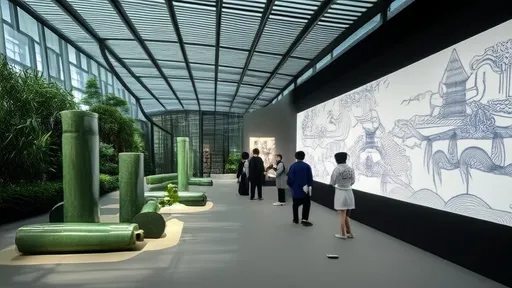
Walking through the exhibition hall, visitors encounter breathtaking scale models that seem to converse with the ancient spirit of the Silk Road. One particularly striking installation, titled "Silk Weave," uses parametric design to create a structure that mimics the intricate patterns of silk fabric while incorporating traditional Lombard architectural elements. The designer, recent graduate Sofia Conti, spent six months researching historical trade routes before developing her concept. "I wanted to create something that honors both my Italian heritage and the Chinese cultural context," Conti explained, her eyes gleaming with passion. "The Silk Road wasn't just about trading goods—it was about exchanging ideas, technologies, and artistic visions."
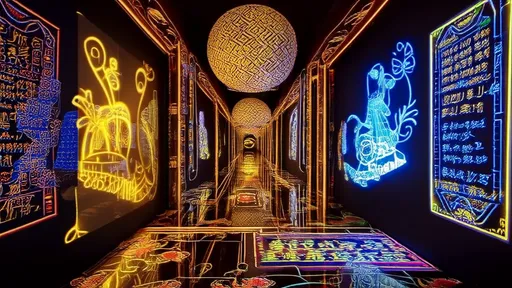
Another remarkable piece, "Marco Polo's Digital Caravanserai," uses augmented reality to reimagine ancient trading posts as modern community hubs. Visitors wearing AR headsets can see how traditional courtyard structures from both Italian and Chinese architecture can blend to create sustainable urban spaces. The project addresses contemporary issues of urban isolation while paying homage to the historical caravanserais that once dotted the Silk Road, providing shelter and connection for travelers from diverse backgrounds.
Sustainable Architecture as Common Language
What makes this exhibition particularly relevant is its emphasis on sustainable design solutions that transcend cultural boundaries. Many of the displayed projects incorporate innovative approaches to energy efficiency, water management, and material reuse that draw from both Italian and Chinese building traditions. Professor Elena Marchetti's "Breathing Walls" project, for instance, combines ancient Chinese passive cooling techniques with modern Italian material science to create building facades that regulate temperature without mechanical systems.
"The climate crisis knows no borders," Professor Marchetti stated during the technical symposium that accompanied the exhibition. "By looking back at how ancient civilizations adapted to their environments and combining that wisdom with contemporary technology, we can develop architecture that's both culturally resonant and environmentally responsible. The Silk Road spirit of sharing knowledge has never been more relevant."
The exhibition also features several collaborative projects developed jointly by Politecnico di Milano students and their counterparts from Xi'an University of Architecture and Technology. These hybrid creations showcase how architectural education can benefit from cross-cultural pollination. One such project, "The Floating Market," reimagines traditional Venetian water spaces and Chinese canal towns as climate-resilient urban prototypes for coastal cities facing rising sea levels.
Educational Exchange and Future Collaborations
Beyond the exhibition itself, the event has sparked numerous initiatives for ongoing collaboration between Italian and Chinese architectural institutions. Politecnico di Milano has announced the establishment of the Silk Road Architecture Fellowship, which will support annual exchanges between Italian and Chinese architecture students. Additionally, the university plans to launch a joint research center with Tongji University focusing on sustainable urban development along the historic trade route's modern counterparts.
Dr. Zhang Wei, curator of the exhibition and director of the Xi'an Contemporary Art Museum, expressed enthusiasm about the long-term implications of this cultural exchange. "This is not a one-time event but the beginning of a sustained dialogue. We're already planning traveling exhibitions that will visit other cities along the Silk Road economic belt, from Milan to Venice to Istanbul and beyond."
The opening night attracted distinguished guests from cultural, academic, and diplomatic circles, including the Italian Ambassador to China and the Mayor of Xi'an. Their presence underscored the significance of this cultural bridge-building effort at a time when international cooperation faces numerous challenges. As Ambassador Luca Ferrari noted in his address, "Art and architecture have always been powerful diplomats. They speak a universal language that can connect people across geographical and political divides."
Public Reception and Critical Response
Since its opening, the exhibition has drawn diverse audiences, from architecture students sketching in notebooks to families discussing the models with fascination. Local architecture enthusiast Liu Yang visited the exhibition twice within its first week. "I've never seen Italian architecture interpreted through the lens of Chinese cultural heritage before," Liu commented. "The way these designs incorporate elements from both traditions while addressing modern urban challenges is truly inspiring."
International architecture critics have praised the exhibition for its timely theme and execution. Renowned architectural historian Dr. Isabella Romano, who traveled from Rome specifically for the event, described it as "a masterclass in cultural synthesis." In her review for Architectural Digest, she wrote: "The exhibition demonstrates how architectural innovation flourishes when different traditions engage in respectful dialogue rather than dominance. In an era of increasing globalization, these works show how we can honor cultural specificity while working toward common human goals."
The success of this inaugural exhibition has prompted discussions about making it a biennial event, potentially expanding to include other disciplines such as urban planning, interior design, and landscape architecture. Organizers from both countries have expressed commitment to developing this platform into a lasting institution that continues to foster creative exchange between Europe and Asia.
As the sun sets on the ancient city of Xi'an, where camel caravans once departed for distant lands, these architectural visions from Milan offer a contemporary interpretation of connection and exchange. They remind us that the spirit of the Silk Road—curiosity, innovation, and mutual respect—remains as vital today as it was centuries ago, perhaps even more so in our interconnected world facing shared global challenges.
The exhibition will run for three months at the Xi'an Contemporary Art Museum before beginning its tour to other Chinese cities along the historic Silk Road route. Meanwhile, preparations are already underway for a reciprocal exhibition of Chinese contemporary architecture at Politecnico di Milano's exhibition spaces next year, ensuring that this cultural dialogue continues to evolve and inspire future generations of architects and designers.
By /Oct 24, 2025

By /Oct 24, 2025
By /Oct 24, 2025

By Jessica Lee/Oct 24, 2025
By Emma Thompson/Oct 24, 2025
By /Oct 24, 2025
By James Moore/Oct 24, 2025
By /Oct 24, 2025
By /Oct 24, 2025
By /Oct 24, 2025
By /Oct 24, 2025
By /Oct 24, 2025
By /Oct 24, 2025
By Sarah Davis/Oct 24, 2025
By /Oct 24, 2025

By /Oct 24, 2025
By /Oct 24, 2025
By /Oct 24, 2025

By /Oct 24, 2025

By /Oct 24, 2025