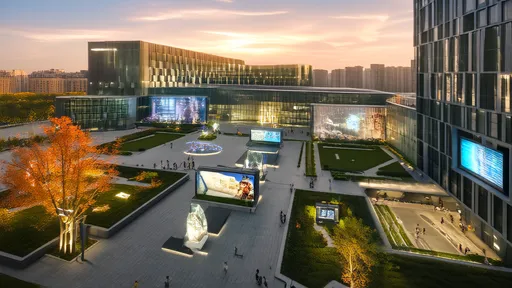
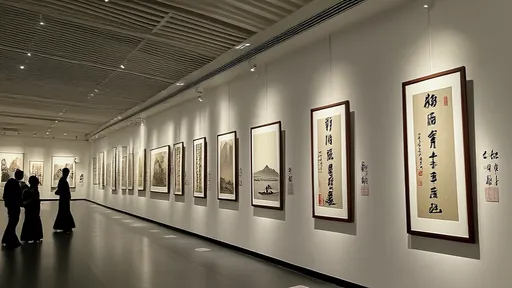
In the heart of Beijing's National Art Museum, a revolution is quietly unfolding. The exhibition titled "Technology Empowering Art: Digital Integration Exploration of the Silk Road Art Exhibition Today" represents more than just another cultural event—it marks a pivotal moment where ancient heritage and cutting-edge innovation converge to redefine how we experience art. Curated by the Ministry of Culture and Tourism in collaboration with leading tech institutions, this groundbreaking showcase demonstrates how digital tools can breathe new life into historical narratives while preserving their authenticity.
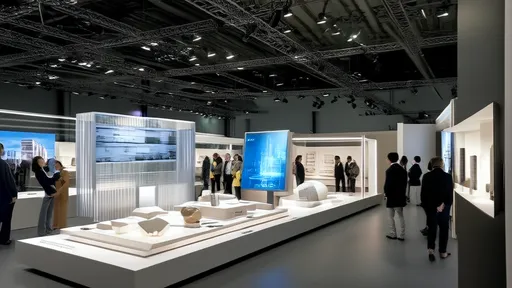
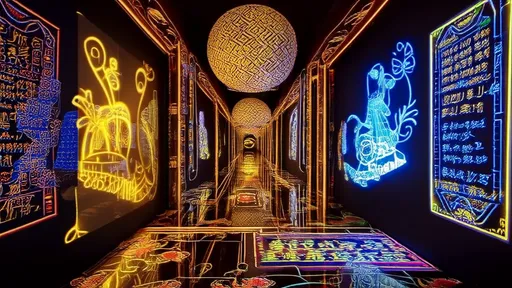
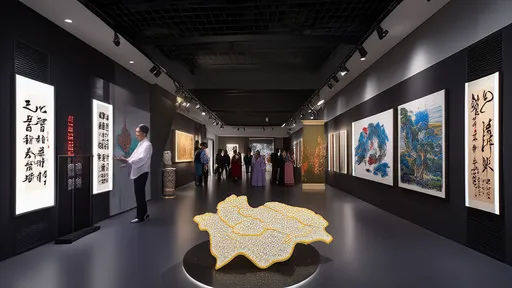
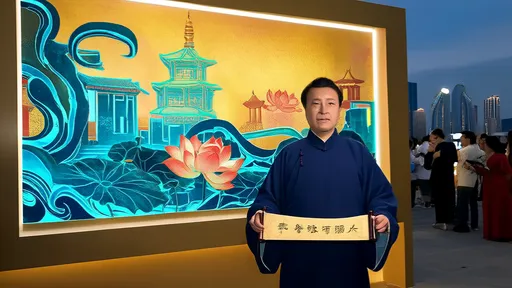
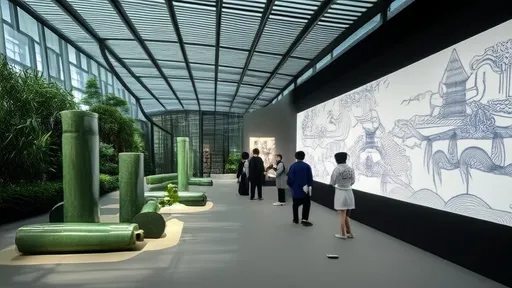
The exhibition hall feels both familiar and alien, a space where traditional silk paintings and terracotta sculptures coexist with holographic projections and interactive installations. Upon entering, visitors are greeted by a dynamic digital map of the ancient Silk Road, its routes glowing and shifting as they trace the footsteps of merchants and monks from Xi'an to Constantinople. This isn't merely a display case for artifacts; it's an immersive journey through time, where technology serves as both preservation tool and interpretive medium.
What makes this exhibition particularly remarkable is its approach to digital integration. Rather than using technology as a gimmick, the curators have embedded it deeply into the artistic experience. The famous Dunhuang murals, for instance, are presented through augmented reality viewers that allow visitors to witness the original vibrant colors beneath faded pigments. As museum director Dr. Li Wei explains, "We're not replacing the physical art but creating dialogue between the original and its digital interpretation. The technology helps us see what time has obscured while maintaining reverence for the authentic artwork."
The centerpiece of the exhibition is arguably the recreated Tang Dynasty market scene, where artificial intelligence and motion capture technologies bring historical figures to life. Visitors can interact with digital representations of Silk Road traders, hearing their stories in multiple languages through real-time translation earpieces. This living diorama doesn't just show what the Silk Road looked like—it recreates the sounds, movements, and atmosphere of cultural exchange that defined this historical network.
Behind the stunning visual experiences lies sophisticated technical infrastructure. The exhibition employs blockchain technology to create digital certificates for each artwork, ensuring provenance tracking while allowing for the creation of limited edition digital collectibles. This approach has sparked discussions about how museums can leverage emerging technologies not just for exhibition purposes but for sustainable cultural preservation and new revenue streams.
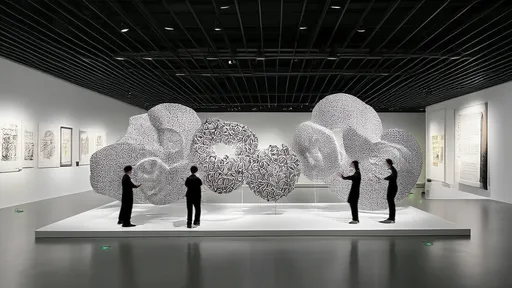
Perhaps the most emotionally resonant section is the "Vanishing Treasures" gallery, where 3D scanning and printing technologies have recreated artifacts too fragile for public display. Here, visitors can handle precise replicas of jade carvings and ceramic vessels while learning about conservation challenges. The tactile experience, combined with digital information overlays, creates a multidimensional understanding that traditional museum labels could never achieve.
The educational potential of this digital integration extends beyond the physical exhibition. Through partnerships with universities and research institutions, the project has developed virtual reality experiences that will be accessible to schools nationwide. Students in remote provinces can now take virtual field trips to explore Silk Road artifacts without the constraints of geography or museum capacity. This democratization of cultural access represents one of the most significant impacts of the digital transformation in the arts sector.
Critical response to the exhibition has been overwhelmingly positive, though not without thoughtful reservations. Art historian Professor Zhang Ming from Peking University notes, "While the technological elements are impressive, what truly matters is whether they enhance our understanding rather than distract from it. In this case, the digital components successfully illuminate historical context without overwhelming the artistic integrity." His sentiment echoes through much of the academic commentary, which praises the exhibition's balanced approach to technological integration.
The exhibition's impact extends to international cultural diplomacy, with several pieces scheduled for touring exhibitions across Europe and Central Asia. The digital nature of many components allows for customization based on host countries' cultural contexts, creating opportunities for new forms of cross-cultural dialogue. This adaptability demonstrates how technology can facilitate cultural exchange while respecting local interpretations and narratives.
Looking forward, the technologies pioneered in this exhibition suggest new directions for museum experiences worldwide. The integration of artificial intelligence for personalized tours, the use of big data to understand visitor engagement patterns, and the development of hybrid physical-digital collections all point toward a future where technology and art coexist in increasingly sophisticated symbiosis. As one European museum director remarked after visiting, "This isn't just about the Silk Road—it's about the future road for all cultural institutions."
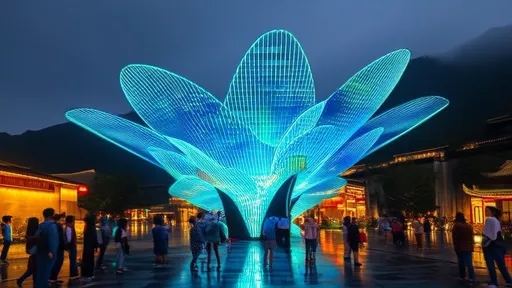
As visitors exit through the final installation—a stunning light projection that visualizes the flow of ideas along the Silk Road—they carry with them not just memories of beautiful artifacts but a transformed understanding of how technology can serve cultural preservation. The exhibition successfully demonstrates that digital tools, when applied with artistic sensitivity and historical awareness, can create bridges between past and present that enrich our appreciation of both.
The legacy of this exhibition may ultimately lie in its influence on how cultural institutions approach the digital frontier. By showing that technology can deepen rather than dilute artistic experience, it provides a template for museums worldwide grappling with digital transformation. The Silk Road has always been about connection, and this exhibition proves that in the digital age, those connections can be more vivid, accessible, and meaningful than ever before.
By /Oct 24, 2025

By /Oct 24, 2025
By /Oct 24, 2025

By Jessica Lee/Oct 24, 2025
By Emma Thompson/Oct 24, 2025
By /Oct 24, 2025
By James Moore/Oct 24, 2025
By /Oct 24, 2025
By /Oct 24, 2025
By /Oct 24, 2025
By /Oct 24, 2025
By /Oct 24, 2025
By /Oct 24, 2025
By Sarah Davis/Oct 24, 2025
By /Oct 24, 2025

By /Oct 24, 2025
By /Oct 24, 2025
By /Oct 24, 2025
By /Oct 24, 2025

By /Oct 24, 2025