Cross-Boundary Creation and Public Experience: ART Nanjing Breaks the Boundaries of Art

Oct 24, 2025 By

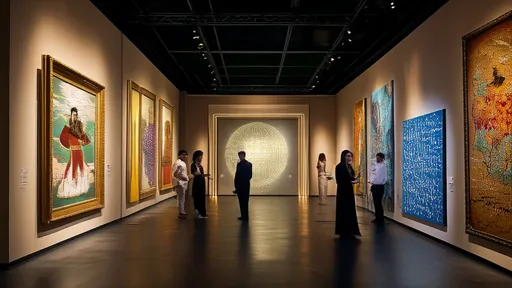
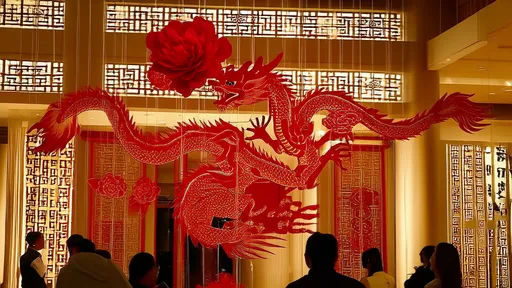
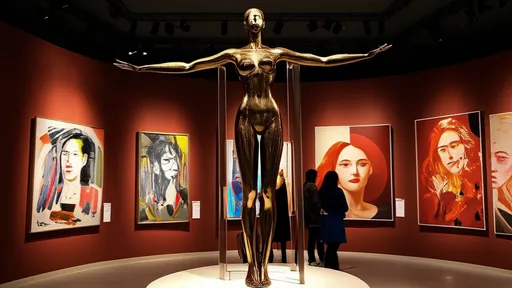
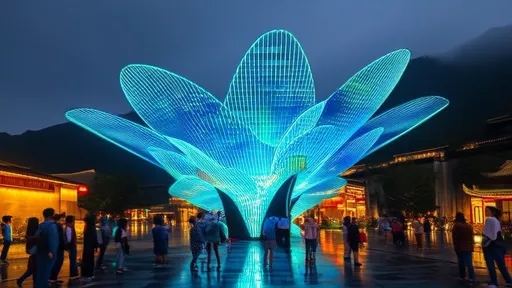
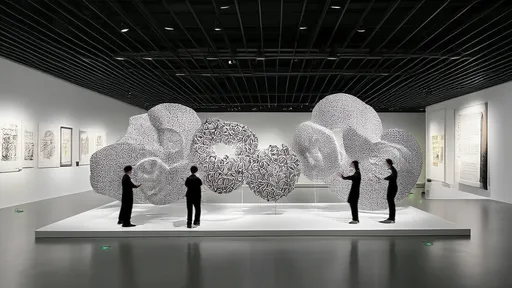
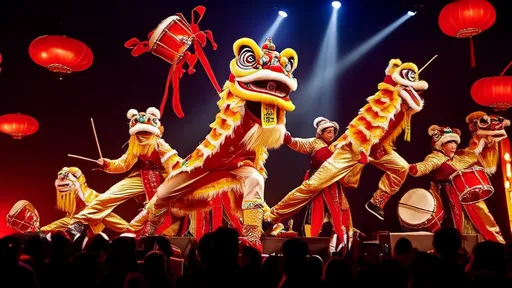
In the heart of China's ancient capital, a quiet revolution is unfolding across the art scene. ART Nanjing, an ambitious city-wide initiative, is systematically dismantling the traditional barriers that have long separated artistic disciplines while simultaneously bridging the gap between creators and their audiences. What began as scattered experimental projects has coalesced into a movement that is fundamentally reshaping how art is created, experienced, and understood in contemporary China.


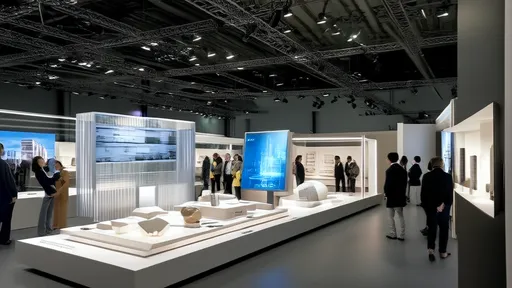
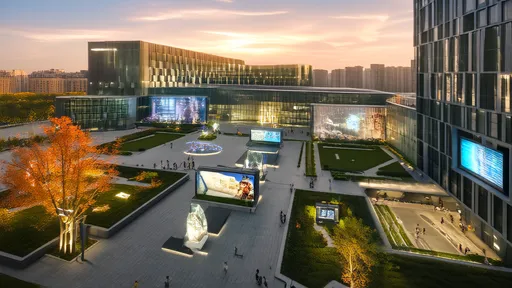
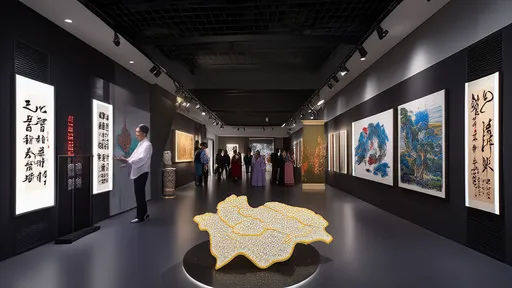
The city itself has become an active participant in this artistic transformation. Abandoned industrial complexes, once symbols of Nanjing's manufacturing past, now hum with creative energy. The former Nanjing Radio Factory, with its cavernous production halls and weathered brick facades, has been transformed into a multidisciplinary art space where industrial machinery stands alongside digital installations. In these spaces, the ghosts of industry coexist with the spirits of innovation, creating a palpable dialogue between the city's history and its future.


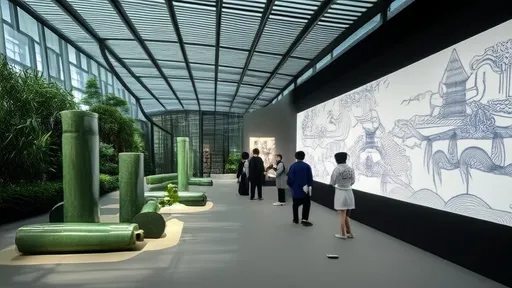
What makes ART Nanjing particularly compelling is its rejection of traditional categorical thinking. The program actively encourages collaborations that would seem unlikely in more conventional art ecosystems. Classical Chinese musicians find themselves working with code poets, while traditional ink painters collaborate with augmented reality developers. These partnerships are not merely symbolic; they produce works that exist in multiple dimensions simultaneously, challenging viewers to expand their understanding of what constitutes art.


The program's approach to audience engagement represents another significant departure from established norms. Rather than positioning viewers as passive recipients of artistic vision, ART Nanjing treats them as active participants in the creative process. This philosophy manifests in various forms, from interactive installations that respond to biometric data to community-based projects where local residents contribute directly to the artwork's development. The distinction between creator and audience becomes deliberately blurred, creating a more democratic and inclusive artistic environment.


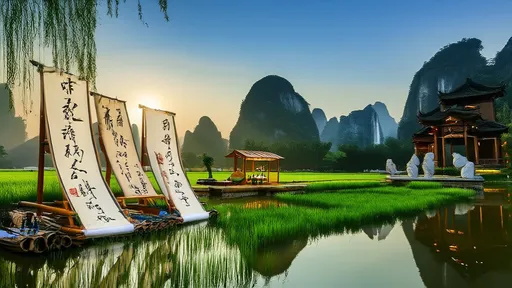
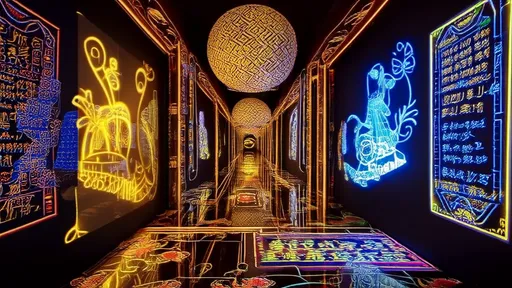
One of the most talked-about installations exemplifies this approach perfectly. "Breathing Calligraphy," created through a collaboration between traditional calligrapher Li Wei and interactive designer Zhang Tao, transforms ancient Chinese characters into living, responsive entities. As viewers approach the installation, their breathing patterns are captured by sensors and translated into subtle movements within the digital calligraphy. The characters appear to breathe in synchrony with the audience, creating an intimate connection between viewer and artwork that evolves with each encounter.


The impact of these initiatives extends beyond the immediate artistic community. Local businesses have begun incorporating ART Nanjing's principles into their own practices, with restaurants designing multi-sensory dining experiences and retailers rethinking their approach to customer engagement. The city's educational institutions have also taken notice, developing new curricula that emphasize cross-disciplinary thinking and collaborative problem-solving. This ripple effect suggests that the program's influence may ultimately transcend the art world entirely.


Technology plays a crucial role in enabling these boundary-crossing experiments, but the human element remains paramount. The program's organizers have deliberately avoided becoming overly reliant on technological novelty, instead focusing on how tools can facilitate deeper human connections and more meaningful artistic expressions. This balanced approach has allowed ART Nanjing to avoid the trap of becoming merely a showcase for flashy gadgets and empty technical prowess.


Public response to these initiatives has been overwhelmingly positive, though not without its complexities. Some traditionalists have expressed concern about the potential dilution of artistic purity, while others question whether the emphasis on accessibility comes at the expense of artistic depth. These debates, however, are exactly what the program's organizers hoped to stimulate. They believe that wrestling with these questions is essential for the continued evolution of the arts in contemporary society.


The economic implications of this artistic renaissance are equally significant. ART Nanjing has attracted international attention, drawing tourists, collectors, and cultural institutions from around the world. This influx has provided a substantial boost to the local economy while simultaneously raising the city's profile as a global cultural destination. The program demonstrates how investment in innovative cultural initiatives can yield both artistic and economic returns.


Looking forward, the organizers face the challenge of maintaining the program's innovative spirit while scaling their operations. There are concerns about institutionalization and the potential for creative stagnation as the initiative grows. However, the current leadership remains committed to preserving the experimental ethos that has made ART Nanjing so compelling. They're exploring new models for sustainable innovation, including rotating curatorial teams and periodic organizational restructuring to prevent complacency.


The international art world is watching Nanjing closely, recognizing that the city's experiments may offer valuable insights for cultural institutions worldwide. As traditional art centers grapple with questions of relevance and accessibility, ART Nanjing provides a compelling case study in how to build bridges between disparate communities while maintaining artistic integrity. The program suggests that the future of art may lie not in specialization and separation, but in connection and collaboration.


Perhaps the most significant achievement of ART Nanjing is its demonstration that breaking boundaries need not mean abandoning tradition. The program has shown remarkable skill in honoring Nanjing's rich cultural heritage while simultaneously pushing artistic expression in new directions. This delicate balance between respect for the past and enthusiasm for the future may be the program's most valuable contribution to the global conversation about art's evolving role in society.


As the sun sets over the Yangtze River, casting long shadows across the city's blend of ancient architecture and contemporary art spaces, one can feel the tangible energy of this cultural transformation. ART Nanjing has created more than just interesting artwork; it has fostered a new way of thinking about creativity itself. The boundaries between disciplines, between creators and audiences, between past and future are becoming increasingly permeable, suggesting exciting possibilities for what art might become in the decades ahead.


Recommend Posts
Arts

From Russia to China: The Expressive Brushwork and Oriental Spirit in Zheng Guangxu's Oil Paintings

By /Oct 24, 2025

In the hushed galleries where East meets West, a remarkable artistic dialogue unfolds through the brushstrokes of Zheng Guangxu. The exhibition From Russia to China: The Lyrical Expression and Eastern Spirit in Zheng Guangxu's Oil Paintings presents more than just a collection of artworks—it offers a profound journey across cultural landscapes, where Russian academic rigor gracefully merges with Chinese philosophical depth.
Arts

Coexistence of Nature and Art: The Practice of Local Aesthetics in the Fine Arts Section of Guilin Art Festival"

By /Oct 24, 2025

Against the limestone peaks that have inspired poets for centuries, a new artistic dialogue is unfolding in Guilin. The Guilin Art Festival, with its thematic focus "Symbiosis of Nature and Art," presents a compelling case study in how contemporary art can engage with ancient landscapes without disrupting their inherent poetry. What emerges from this year's Fine Arts Section is not merely art placed in nature, but art that breathes with the landscape, creating what curators are calling "site-specific aesthetic practice."
Arts

Polytechnic University of Milan Architectural Works Debut at Silk Road Art Exhibition"

By /Oct 24, 2025

In a groundbreaking cultural exchange that bridges Italian design excellence with ancient Chinese heritage, Politecnico di Milano has unveiled its architectural masterpieces at the Silk Road Art Exhibition for the first time. The event, hosted at the Xi'an Contemporary Art Museum, represents a significant milestone in cross-cultural dialogue between Europe and Asia, bringing Renaissance-inspired architectural philosophy to the historical terminus of the Silk Road.
Arts

Tim Yip's Gazing" Photography Series Special Presentation at Nanjing Art Expo

By Jessica Lee/Oct 24, 2025

Tim Yip's "Gaze" photography series made a remarkable appearance at the Nanjing Art Expo, marking a significant moment in the contemporary art scene. The exhibition, which ran for ten days, attracted thousands of visitors, including art critics, collectors, and enthusiasts from across the globe. Yip, renowned for his Oscar-winning work in "Crouching Tiger, Hidden Dragon," has once again captivated audiences with his profound exploration of human emotion and cultural identity through the lens of his camera. The "Gaze" series, in particular, delves into the silent dialogues between subjects and their environments, creating a hauntingly beautiful narrative that resonates deeply with viewers.
Arts

Paper Installations and Composite Media: Visual Narratives Constructed in Chinese Paper-based Art Exhibitions

By Emma Thompson/Oct 24, 2025

In the hushed galleries of the National Art Museum, a quiet revolution unfolds. The exhibition Paper Apparatus and Composite Media: The Visual Narrative of Chinese Paper-Based Art presents not merely artworks, but entire ecosystems of meaning, where the humble sheet of paper transforms into a dynamic protagonist in contemporary artistic discourse. This is not the paper of ancient scrolls or delicate calligraphy alone; this is paper as architecture, as memory, as a living, breathing entity in dialogue with the digital age and material history.
Arts

Artworks from 79 Countries Gather in Xi'an, Today's Silk Road Art Exhibition Promotes Inter-Civilizational Dialogue"

By /Oct 24, 2025

The ancient city of Xi'an, once the eastern terminus of the legendary Silk Road, is once again playing host to a grand convergence of cultures and artistic traditions. The "Today's Silk Road" International Art Exhibition has opened its doors, bringing together an unprecedented collection of 79 nations in a vibrant tapestry of visual dialogue that spans continents and centuries. Against the backdrop of Xi'an's historic city walls and modern galleries, this exhibition represents more than just a display of artistic mastery—it serves as a living bridge between civilizations, echoing the spirit of exchange that once defined the ancient trade routes.
Arts

Industry-Academia-Research-Exhibition-Creation: Nanjing Visual Arts College Builds a New Platform for Art Ecology"

By James Moore/Oct 24, 2025

In the heart of China's cultural landscape, Nanjing University of the Arts is pioneering an innovative educational model that seamlessly integrates industry, academia, research, exhibition, and creation into a cohesive ecosystem. This groundbreaking approach represents a significant departure from traditional art education, positioning the institution at the forefront of artistic innovation and cultural development.
Arts

Empowerment of Art through Technology: Digital Integration Exploration of Today's Silk Road Art Exhibition"

By /Oct 24, 2025

In the heart of Beijing's National Art Museum, a revolution is quietly unfolding. The exhibition titled "Technology Empowering Art: Digital Integration Exploration of the Silk Road Art Exhibition Today" represents more than just another cultural event—it marks a pivotal moment where ancient heritage and cutting-edge innovation converge to redefine how we experience art. Curated by the Ministry of Culture and Tourism in collaboration with leading tech institutions, this groundbreaking showcase demonstrates how digital tools can breathe new life into historical narratives while preserving their authenticity.
Arts

Chinese Paper Art Embarks on Global Tour: A Cultural Renaissance Unfolds

By /Oct 24, 2025

The world is about to witness an unprecedented cultural phenomenon as China launches its most ambitious international exhibition of paper-based art. Titled "The Eternal Scroll: Chinese Paper Art Through the Ages," this groundbreaking initiative represents a strategic effort to showcase the diversity and sophistication of China's paper media art through clustered global dissemination. For centuries, paper has served as more than mere material in Chinese culture—it has been the canvas for philosophical expression, the medium for spiritual contemplation, and the vehicle for artistic innovation. Now, this humble yet profound material prepares to tell its story on the world stage through what curators are calling "the most comprehensive presentation of Chinese paper art ever assembled for international audiences."
Arts

The Rise of Female Power: Nanjing Art Expo's Themed Exhibition Showcases New Perspectives in Contemporary Art

By /Oct 24, 2025

Amidst the historic walls of Nanjing, where ancient dynasties once flourished, a contemporary revolution is unfolding. The Nanjing Art Fair has launched its most ambitious thematic exhibition to date, titled "The Rise of Female Power: New Perspectives in Contemporary Art," challenging traditional narratives and celebrating the formidable creative energy of women artists. This groundbreaking showcase, occupying the entire west wing of the convention center, represents more than just an art exhibition; it stands as a cultural manifesto for our times.
Arts

Cross-Boundary Creation and Public Experience: ART Nanjing Breaks the Boundaries of Art

By /Oct 24, 2025

In the heart of China's ancient capital, a quiet revolution is unfolding across the art scene. ART Nanjing, an ambitious city-wide initiative, is systematically dismantling the traditional barriers that have long separated artistic disciplines while simultaneously bridging the gap between creators and their audiences. What began as scattered experimental projects has coalesced into a movement that is fundamentally reshaping how art is created, experienced, and understood in contemporary China.
Arts

From Print Media to Clusters: The Internationalization Path of Chinese Paper-based Art

By /Oct 24, 2025

In the quiet corners of Beijing's 798 Art District, a subtle revolution is unfolding. While digital screens dominate global communication, Chinese paper-based art is experiencing an unprecedented international renaissance. The journey from traditional paper media to clustered global networks represents one of the most fascinating cultural transformations of our time.
Arts

Musical 'Lion Boy' Closes Guilin Art Festival with the Spirit of Lion Dance Culture"

By /Oct 24, 2025

The curtains fell on the Guilin Arts Festival with a thunderous standing ovation as the final notes of the musical The Lion Awakens echoed through the auditorium. This wasn't just the conclusion of a performance; it was a powerful cultural statement, a vibrant fusion of contemporary stagecraft and ancient tradition that left an indelible mark on the international audience. The production, which served as the festival's grand finale, successfully positioned the age-old art of lion dancing, or Awakening Lion culture, not as a museum relic, but as a living, breathing, and profoundly relevant art form for the modern stage.
Arts

Silk Road Emotion, Beauty Together: Today's Silk Road International Art Invitational Exhibition"

By Sarah Davis/Oct 24, 2025

Silk Road Affection, Shared Beauty: The International Art Invitation Exhibition of the Silk Road Today opened its grand doors to the public last Friday at the National Art Museum, marking a significant milestone in cross-cultural artistic dialogue. The exhibition, which brings together over 200 artworks from 35 countries along the historic Silk Road routes, has already attracted thousands of visitors in its first week, with art critics praising its innovative approach to bridging ancient traditions with contemporary expressions.
Arts

Jinan's Cultural and Tourism Promotion through Art: The City's Strategy Behind the Macau Biennale"

By /Oct 24, 2025

The golden autumn breeze carries more than just the crisp scent of fallen leaves through the ancient streets of Jinan; it brings with it the whispers of an artistic renaissance that recently captivated international audiences at the Macao International Art Biennale. For the first time in its cultural exchange history, Jinan presented a curated collection of contemporary artworks that seamlessly wove the city's profound heritage with avant-garde creative expressions, marking a significant milestone in its global cultural outreach.
Arts

Ink Mist on Xuan Paper: How Dutch Audiences Interpret Chinese Contemporary Paper Art"

By /Oct 24, 2025

In the heart of Amsterdam, an exhibition titled "Beyond the Silk: Contemporary Chinese Paper Art" has quietly ignited a cultural conversation that transcends geographical boundaries. The dimly lit gallery space, with its carefully curated displays of xuan paper artworks, has become an unexpected bridge between Eastern artistic traditions and Western interpretive frameworks. Dutch visitors, known for their directness and pragmatic worldview, find themselves navigating the subtle nuances of ink washes and paper textures that have defined Chinese aesthetic sensibilities for centuries.
Arts

From Liangzhu to the Future: Hangzhou Biennale Outlines the Cultural Ecology under Technological Iteration"

By /Oct 24, 2025

In the heart of Hangzhou, where ancient canals whisper tales of millennia past, a bold new exhibition is mapping the trajectory of human civilization through the dual lenses of archaeological heritage and technological speculation. The Hangzhou Biennale, titled "From Liangzhu to the Future," presents a compelling narrative that weaves together the intricate threads of China's earliest known state-level society with visions of tomorrow's digital ecosystems.
Arts

The 40th Anniversary Special Exhibition of Huang Gesheng's 'Li River Hundred Miles' at Guilin Art Festival"

By /Oct 24, 2025

Under the soft glow of gallery lights that mimic the morning mist over karst mountains, visitors to the Guilin Art Festival are experiencing more than an exhibition—they are walking through a living chapter of Chinese art history. The 40th-anniversary special exhibition of Huang Gesheng's monumental masterpiece, "The Hundred-Mile Li River Scroll," has become the centerpiece of the festival, drawing crowds into a panoramic journey that transcends time and space.
Arts

Ecological Concern and Memory Reconstruction: The Rich Possibilities of Contemporary Paper Art in the Realm of Conceptual Dimensions

By /Oct 24, 2025

In the quiet corners of contemporary art galleries, a subtle revolution is unfolding. Paper, that most humble and ancient of materials, is undergoing a profound transformation, emerging as a powerful medium for exploring ecological consciousness and memory. The exhibition Ecological Care and Memory Reconstruction: The Rich Conceptual Possibilities of Contemporary Paper Art presents a compelling narrative that transcends traditional craft, positioning paper art at the forefront of conceptual discourse.
Arts

From Lijiang Hundred Miles" to "Magpie and Flower Autumn Colors": The Re-creation of Traditional Landscape Painting in Contemporary Times

By /Oct 24, 2025

In the hushed galleries where classical Chinese landscape paintings whisper tales of mist-shrouded mountains and meandering rivers, a quiet revolution is unfolding. The journey from One Hundred Li of the Li River to Autumn Colors on the Qiao and Hua Mountains represents more than mere geographical transition—it embodies the evolving soul of Chinese landscape art as contemporary artists reinterpret centuries-old traditions through modern sensibilities.