In the heart of China's cultural landscape, Nanjing University of the Arts is pioneering an innovative educational model that seamlessly integrates industry, academia, research, exhibition, and creation into a cohesive ecosystem. This groundbreaking approach represents a significant departure from traditional art education, positioning the institution at the forefront of artistic innovation and cultural development.
The university's leadership recognized that the conventional separation between artistic creation and practical application had created a gap between graduating artists and the demands of the contemporary creative economy. Rather than maintaining this division, they envisioned an environment where students could simultaneously develop their artistic vision while understanding how their work connects with broader cultural and commercial contexts. This holistic perspective has transformed the entire educational experience, creating what many are calling the most comprehensive art education model in China today.
Industry integration forms the practical backbone of this innovative system. The university has established strategic partnerships with leading creative companies, design studios, and cultural organizations across China and internationally. These collaborations are not merely symbolic; they involve deep, substantive engagement where industry professionals regularly participate in curriculum development, mentor students, and provide real-world projects that challenge students to apply their skills in professional contexts. The result is an educational experience that bridges the gap between classroom learning and professional practice, ensuring graduates possess both artistic excellence and practical readiness.
What makes this industry integration particularly effective is its two-way nature. While students benefit from exposure to professional standards and expectations, industry partners gain access to fresh creative perspectives and emerging talent. This symbiotic relationship has led to numerous successful collaborations where student work has been implemented in commercial projects, and in some cases, students have received job offers before graduation based on their performance in these industry partnerships.
The academic component maintains rigorous standards while embracing innovation. The curriculum has been completely redesigned to reflect the integrated nature of the five elements. Traditional disciplinary boundaries have been softened, allowing for interdisciplinary approaches that reflect how contemporary artists actually work. Students might find themselves in courses team-taught by practicing artists, academic scholars, and industry professionals, creating a rich learning environment where multiple perspectives inform the creative process.
This academic transformation extends beyond course content to teaching methodologies. Project-based learning has become central to the educational experience, with students working on complex, multi-faceted projects that require them to draw upon research, creative skills, and practical considerations simultaneously. The emphasis has shifted from merely acquiring technical skills to developing the conceptual and critical thinking abilities necessary for meaningful artistic practice in the twenty-first century.
Research occupies a central position in this integrated model, serving as the intellectual foundation that informs both creative practice and industry applications. The university has established several specialized research centers focusing on areas such as digital media, cultural heritage preservation, and contemporary art theory. These centers bring together faculty, students, and external experts to investigate pressing questions in the art world and develop innovative approaches to artistic creation and cultural production.
What distinguishes the research component is its direct connection to both creative practice and practical application. Research projects often involve collaborations with industry partners addressing specific challenges, while also informing the development of new artistic methodologies. This approach ensures that research remains relevant and impactful, contributing to both artistic innovation and practical advancement in the creative industries.
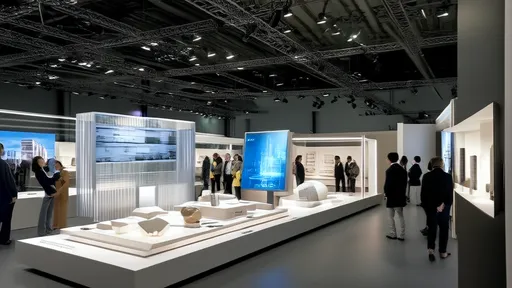
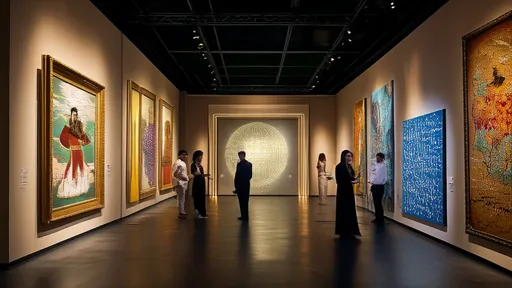
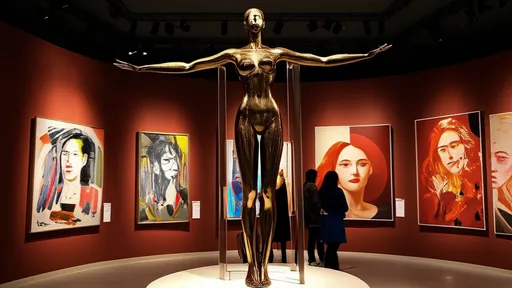
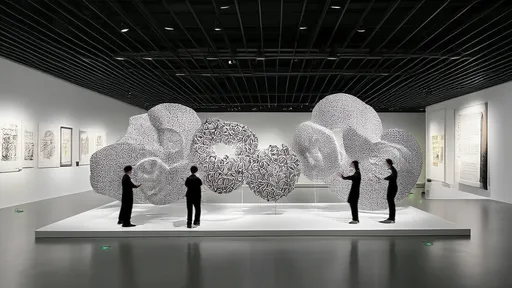
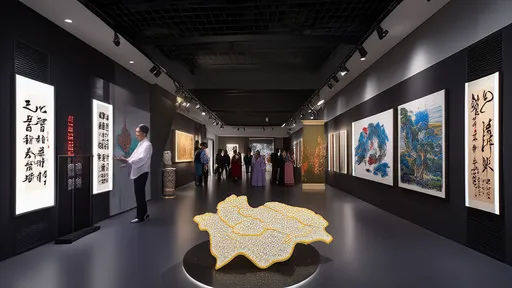
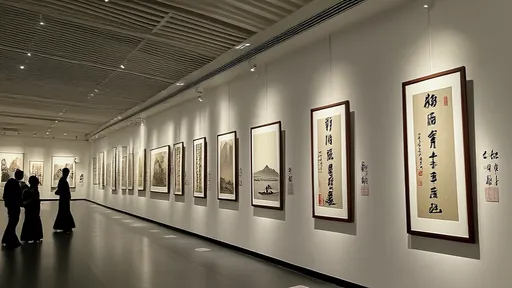
The exhibition element provides crucial platforms for showcasing work and engaging with audiences. The university operates multiple gallery spaces that host everything from student shows to international exhibitions. These spaces serve as laboratories for understanding how art communicates with different audiences and functions in various contexts. Students learn not only how to create compelling work but also how to present it effectively, considering factors such as curation, lighting, spatial relationships, and audience engagement.
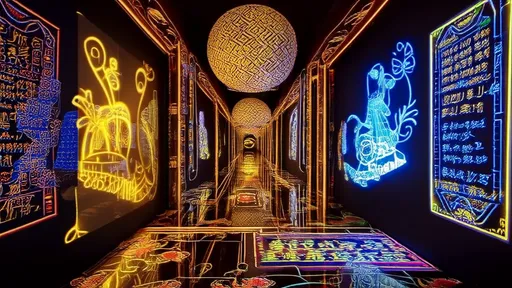
Beyond the physical galleries, the university has developed sophisticated digital exhibition capabilities, recognizing the growing importance of online platforms for artistic presentation and engagement. Students gain experience creating work for both physical and digital contexts, preparing them for the diverse exhibition opportunities available to contemporary artists. This dual approach ensures graduates are equipped to navigate the evolving landscape of artistic presentation and audience engagement.
Creation remains the heart of the entire ecosystem, with all other elements ultimately serving to support and enhance artistic production. The integrated model has led to a remarkable flourishing of creative work across diverse media and approaches. Students report that the supportive yet challenging environment pushes them to take creative risks and explore new directions in their work. The constant exposure to different perspectives—from industry professionals, researchers, and exhibition curators—enriches their creative practice in unexpected ways.
The most significant impact of this integrated approach may be the way it has transformed student outcomes. Graduates emerge not simply as skilled artists but as creative professionals who understand how to navigate the complex ecosystem of the contemporary art world. They possess the technical mastery, conceptual sophistication, and practical knowledge needed to build sustainable careers in the arts. Many have gone on to establish successful practices, secure positions with leading creative organizations, or launch innovative art-related ventures.
This educational innovation has attracted attention beyond the art world. Educators from other disciplines have visited the campus to study the integrated model, seeing potential applications in fields ranging from engineering to business. The success of the approach suggests that the traditional separation between different aspects of professional education may be limiting students' development and readiness for complex, interdisciplinary careers.
The university continues to refine and expand its integrated model, exploring new ways to strengthen connections between the five elements and enhance their collective impact. Recent initiatives include developing more international partnerships, creating advanced digital research capabilities, and establishing incubator programs to support graduates in launching creative enterprises. These developments suggest that the model will continue to evolve, potentially setting new standards for art education globally.
As the creative economy grows in importance worldwide, the need for artists who can navigate complex professional landscapes while maintaining artistic integrity becomes increasingly crucial. Nanjing University of the Arts' integrated approach offers a compelling model for preparing the next generation of artists—not as isolated creators but as engaged professionals who can contribute meaningfully to cultural development and creative innovation. The success of this experiment suggests that the future of art education may lie in such holistic, ecosystem-based approaches that recognize the interconnected nature of artistic practice in the contemporary world.
The transformation occurring at Nanjing University of the Arts represents more than just an educational innovation; it signals a broader shift in how we understand artistic practice and education. By breaking down traditional barriers between creation, research, exhibition, academia, and industry, the university has created an environment where art can flourish in all its complexity and potential. This approach acknowledges that meaningful artistic practice in the twenty-first century requires not just technical skill and creative vision, but also an understanding of how art functions within broader cultural, economic, and social contexts.
As other institutions observe the remarkable outcomes being achieved through this integrated model, it seems likely that similar approaches will emerge elsewhere. The success of Nanjing University of the Arts in creating a vibrant, sustainable artistic ecosystem suggests that the future of art education may lie in such comprehensive, connected approaches. For students, faculty, and the broader cultural community, this represents an exciting development—one that promises to nurture artists who are not only technically accomplished and creatively innovative but also professionally prepared and culturally engaged.
By /Oct 24, 2025
By /Oct 24, 2025
By /Oct 24, 2025
By Jessica Lee/Oct 24, 2025
By Emma Thompson/Oct 24, 2025
By /Oct 24, 2025
By James Moore/Oct 24, 2025
By /Oct 24, 2025
By /Oct 24, 2025
By /Oct 24, 2025
By /Oct 24, 2025
By /Oct 24, 2025
By /Oct 24, 2025
By Sarah Davis/Oct 24, 2025
By /Oct 24, 2025

By /Oct 24, 2025
By /Oct 24, 2025
By /Oct 24, 2025
By /Oct 24, 2025
By /Oct 24, 2025