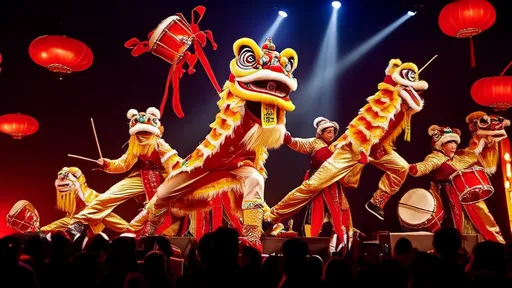
The curtains fell on the Guilin Arts Festival with a thunderous standing ovation as the final notes of the musical The Lion Awakens echoed through the auditorium. This wasn't just the conclusion of a performance; it was a powerful cultural statement, a vibrant fusion of contemporary stagecraft and ancient tradition that left an indelible mark on the international audience. The production, which served as the festival's grand finale, successfully positioned the age-old art of lion dancing, or Awakening Lion culture, not as a museum relic, but as a living, breathing, and profoundly relevant art form for the modern stage.
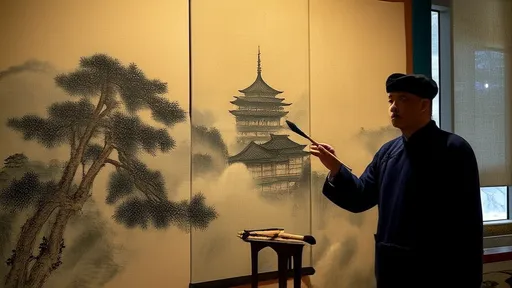
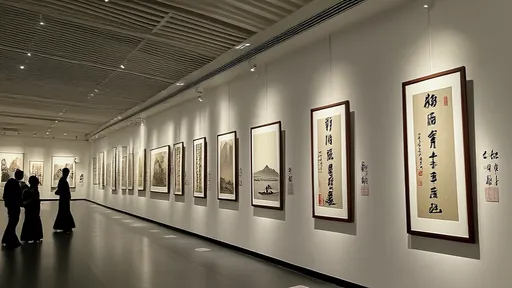
From the moment the lights dimmed, the audience was transported into a world where myth and reality intertwine. The narrative follows a young, disillusioned protagonist from a small village, grappling with his identity and place in a rapidly modernizing world. His journey of self-discovery is intrinsically linked to his reluctant apprenticeship under a master lion dancer. The stage design was a character in itself, with sweeping, calligraphy-inspired backdrops that fluidly transformed from bustling urban landscapes to serene, mist-shrouded mountains, mirroring the protagonist's internal conflict. The use of dynamic lighting and projection mapping created a sense of magical realism, making the lion's spirit feel tangibly alive.
The true soul of the musical, however, lay in its unwavering commitment to the spiritual core of Awakening Lion culture. This goes far beyond the acrobatic feats and colorful costumes commonly associated with lion dances. The production delved deep into the philosophy behind the tradition—the concepts of unity, courage, and the communal drive to ward off evil spirits and attract good fortune. The relationship between the two dancers inside the lion costume became a central metaphor, representing harmony, trust, and the idea that a collective strength is greater than the sum of its parts. This was powerfully articulated in a poignant scene where the protagonists, struggling to synchronize, finally achieve a moment of perfect unity, causing the lion to "awaken" with a majestic, life-filled energy that was palpable throughout the theatre.
The musical score was a bold and brilliant synthesis of East and West. A traditional Chinese orchestra, featuring the resonant tones of the erhu and the piercing melody of the suona, was seamlessly woven together with a full Western symphony. The composers did not merely layer these sounds; they created a new musical language. Rhythmic, percussive sequences driven by traditional drums underscored the intense lion dance training and competition scenes, while sweeping, cinematic melodies carried the emotional weight of the story. The vocal performances were equally hybrid, blending belting techniques from Broadway with the distinct, nuanced vocal styles of Chinese opera, particularly in the master's solos, which felt like ancient wisdom being passed down through song.
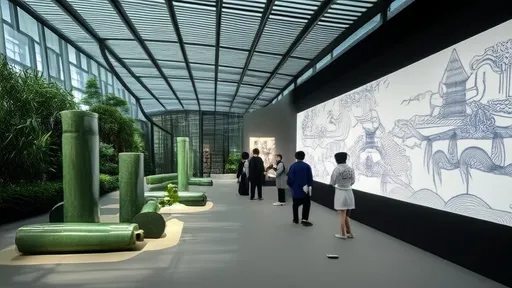
The choreography was nothing short of revolutionary. While honoring the precise footwork, stances, and symbolic gestures of traditional lion dance, the choreographers injected a raw, theatrical physicality. The performers were not just dancers; they were storytellers, using their bodies to express a wide spectrum of emotion—from the awkward stumbling of the novice to the explosive, gravity-defying leaps of the awakened lion. Key sequences, such as the challenging ascent of a symbolic "Green Mountain," were staged with breathtaking athleticism, turning the stage into a vertical landscape of poles and platforms that left the audience breathless.
Staging The Lion Awakens as the closing act of the Guilin Arts Festival was a stroke of curatorial genius. The festival, known for its celebration of diverse and innovative performing arts, provided the perfect global platform for this distinctly Chinese story. Its placement signaled a confident statement about the direction of contemporary Chinese theatre—one that is deeply rooted in its own cultural soil while confidently engaging in a global dialogue. The diverse audience of critics, artists, and international guests witnessed a production that was both authentically local and universally accessible, proving that stories about heritage, identity, and personal triumph know no cultural boundaries.
The critical and audience reception has been overwhelmingly positive. Many international reviewers have hailed it as a "groundbreaking milestone" for modern Asian musical theatre, praising its successful integration of a deeply cultural element into a universally appealing narrative structure. The emotional resonance of the story, coupled with the spectacular visuals and music, ensured that the cultural and philosophical themes landed with impact, rather than feeling like an academic lesson. It demonstrated that tradition can be a springboard for innovation, not an anchor holding it back.
In conclusion, the closure of the Guilin Arts Festival with The Lion Awakens marks a significant moment in the cultural landscape. The musical did more than just entertain; it ignited a conversation. It served as a potent reminder of the power of intangible cultural heritage to inspire contemporary art. By placing the Awakening Lion culture at its heart, the production has not only preserved this tradition but has also revitalized it, introducing its profound beauty and wisdom to a new, global generation. The lion has not just awakened on stage; it has roared to the world, announcing the vibrant and dynamic future of storytelling that draws from the deep wells of the past.
By /Oct 24, 2025

By /Oct 24, 2025

By /Oct 24, 2025
By Jessica Lee/Oct 24, 2025
By Emma Thompson/Oct 24, 2025
By /Oct 24, 2025

By James Moore/Oct 24, 2025
By /Oct 24, 2025
By /Oct 24, 2025
By /Oct 24, 2025
By /Oct 24, 2025
By /Oct 24, 2025
By /Oct 24, 2025
By Sarah Davis/Oct 24, 2025
By /Oct 24, 2025

By /Oct 24, 2025
By /Oct 24, 2025
By /Oct 24, 2025
By /Oct 24, 2025

By /Oct 24, 2025