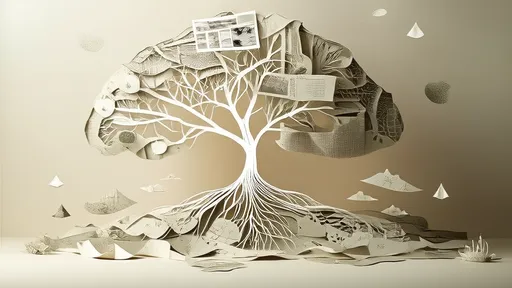
The world is about to witness an unprecedented cultural phenomenon as China launches its most ambitious international exhibition of paper-based art. Titled "The Eternal Scroll: Chinese Paper Art Through the Ages," this groundbreaking initiative represents a strategic effort to showcase the diversity and sophistication of China's paper media art through clustered global dissemination. For centuries, paper has served as more than mere material in Chinese culture—it has been the canvas for philosophical expression, the medium for spiritual contemplation, and the vehicle for artistic innovation. Now, this humble yet profound material prepares to tell its story on the world stage through what curators are calling "the most comprehensive presentation of Chinese paper art ever assembled for international audiences."
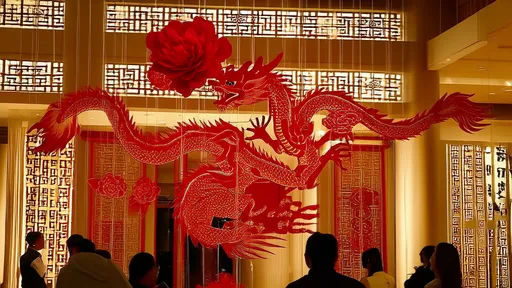
What makes this exhibition particularly remarkable is its departure from traditional single-medium presentations. Instead, visitors will encounter what organizers describe as "clustered artistic experiences"—carefully curated groupings of artworks that demonstrate the incredible range of paper as an artistic medium. From delicate paper-cutting traditions dating back to the Han Dynasty to contemporary mixed-media installations that challenge conventional definitions of paper art, the exhibition creates dynamic conversations between different forms, techniques, and historical periods. This approach allows audiences to appreciate not just individual masterpieces but the rich ecosystem of Chinese paper art as a whole.
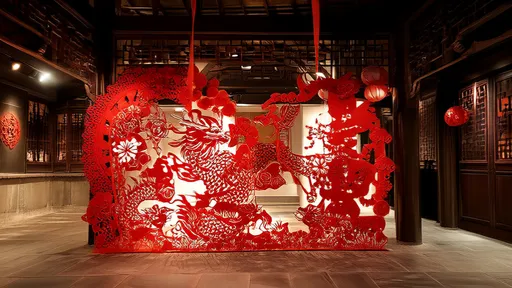
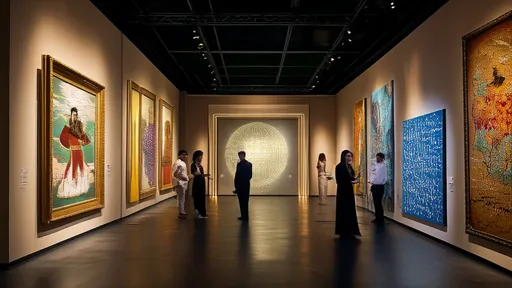
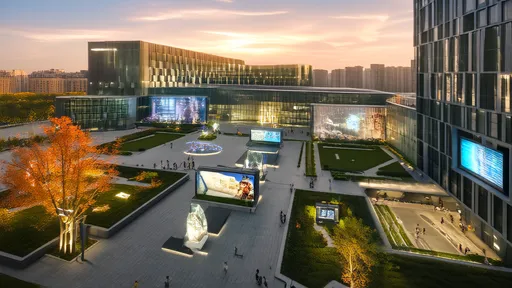
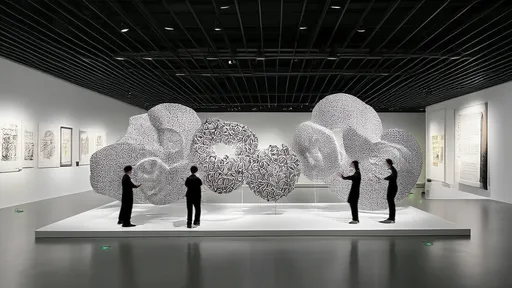
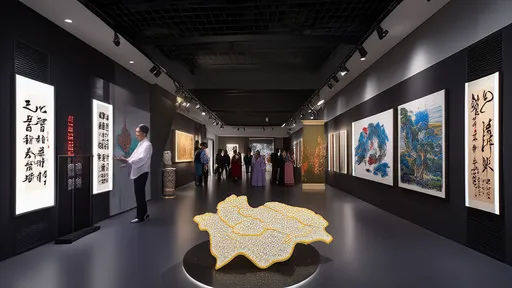
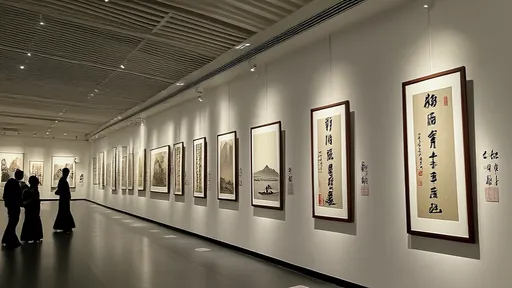
The exhibition's journey begins at the National Art Museum of China in Beijing, where over 300 works have been meticulously selected from museums, private collections, and living artists' studios across the country. The collection represents what curator Dr. Li Wei describes as "a dialogue between tradition and innovation." Visitors will encounter breathtaking examples of classical Chinese paper arts including intricate paper-cuttings, sophisticated paper-folding works, and masterful calligraphy on handmade xuan paper—the same type of paper that has been used by Chinese scholars and artists for over a thousand years. Alongside these traditional forms, the exhibition features bold contemporary pieces that push the boundaries of what paper can be—large-scale installations, paper sculptures that defy gravity, and multimedia works that incorporate digital elements while maintaining paper as their foundation.
Following its Beijing debut, the exhibition will travel to twelve major cultural capitals across six continents over the next two years. The international itinerary includes extended stays at prestigious institutions such as the Metropolitan Museum of Art in New York, the British Museum in London, the Louvre in Paris, and the National Museum of Modern Art in Tokyo. At each location, local curators will collaborate with Chinese experts to create unique presentations that highlight connections between Chinese paper traditions and local paper arts, fostering what organizers hope will be "meaningful cultural exchanges rather than mere cultural exports."
The strategic clustering of artworks serves multiple purposes beyond aesthetic consideration. According to exhibition director Madame Zhang, "By presenting these works in thematic clusters rather than chronological order, we allow viewers to understand the continuing relevance of paper in Chinese artistic practice. A contemporary paper sculpture made in 2023 can speak directly to a paper-cutting from the Ming Dynasty when placed in thoughtful proximity. This approach demonstrates that innovation and tradition are not opposing forces in Chinese art but complementary elements in an ongoing cultural conversation."
One particularly compelling cluster explores the relationship between paper and Chinese spiritual traditions. Here, visitors will encounter Buddhist sutras meticulously transcribed on handmade paper, Taoist talismans believed to contain spiritual power, and delicate paper offerings created for traditional ceremonies. The cluster demonstrates how paper has served as a bridge between the material and spiritual worlds in Chinese culture for millennia. Contemporary works in this section include meditative installations made from thousands of folded paper cranes and large-scale mandalas created through complex paper-layering techniques, showing how ancient spiritual concepts continue to inspire modern artists.
Another cluster focuses on paper as a medium for social commentary and political expression. This section includes satirical paper-cuttings from different historical periods, protest posters from the 20th century reproduced on traditional paper, and contemporary works that address issues such as environmental conservation and urbanization. The inclusion of these works challenges the perception of paper art as merely decorative or traditional, positioning it instead as a vital medium for critical engagement with social issues—both in China's past and present.
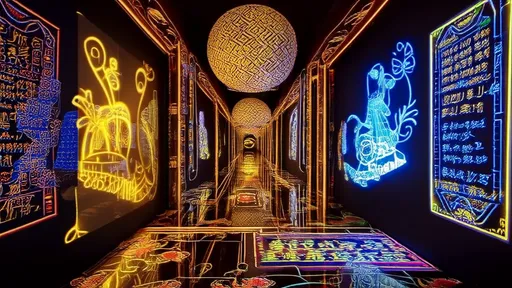
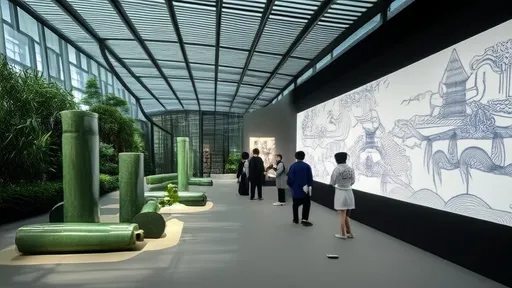
The technological innovation cluster may surprise viewers with its demonstration of how paper artists are incorporating cutting-edge techniques while maintaining traditional values. Here, visitors will find works that use laser-cutting technology to achieve levels of precision impossible with traditional scissors, pieces that incorporate embedded electronics powered by paper batteries, and artworks that use special paper treatments to create interactive surfaces responsive to light and touch. These technological explorations exist alongside demonstrations of traditional paper-making techniques, highlighting the continuous evolution of paper as an artistic medium.
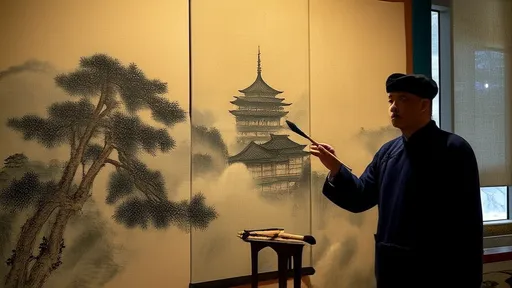
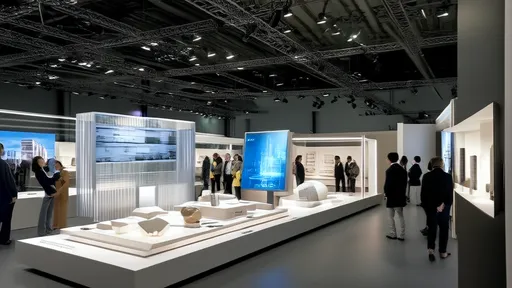
Educational components form a crucial part of the exhibition's mission. At each venue, master paper artists from China will conduct workshops demonstrating techniques such as paper-cutting, paper-folding, and traditional paper-making. These hands-on experiences aim to create what education director Professor Chen calls "cultural understanding through material engagement." Additionally, digital installations will allow visitors to explore the history and techniques of Chinese paper art through interactive displays, while scholarly symposiums will bring together experts from around the world to discuss the past, present, and future of paper as an artistic medium.
The exhibition catalogue itself represents a significant contribution to the field of paper art studies. Featuring essays by leading international scholars and stunning photography of the included works, the 500-page publication has been printed on specially commissioned paper that incorporates traditional Chinese paper-making techniques. Limited edition versions even include handmade paper artworks created exclusively for catalogue owners, blurring the line between documentation and art object in a manner consistent with the exhibition's themes.
Funding for this ambitious project comes from a unique public-private partnership between China's Ministry of Culture, several major Chinese corporations with international presence, and cultural foundations from host countries. This collaborative funding model reflects the exhibition's goal of creating genuine cultural exchange rather than one-way cultural presentation. Host institutions have committed significant resources to ensuring the proper conservation environment for these delicate works, with temperature and humidity controls specifically calibrated for paper preservation.
Beyond its artistic significance, the exhibition carries important diplomatic weight. Cultural officials describe it as part of China's broader effort to share its cultural heritage with international audiences through what they term "authentic cultural narratives." In an era of increasing globalization, the exhibition aims to demonstrate how traditional art forms can maintain their cultural specificity while engaging in global conversations. The clustered presentation method itself represents a deliberate choice to showcase the diversity within Chinese culture rather than presenting a monolithic cultural identity.
As preparations enter their final stages, anticipation grows within international art circles. Early previews for journalists and museum professionals have generated enthusiastic responses, with many noting the exhibition's potential to reshape Western understanding of Chinese paper arts. The careful balance between historical depth and contemporary relevance, between technical mastery and conceptual sophistication, promises to make "The Eternal Scroll" one of the most significant cultural exports of the decade.
When the exhibition concludes its international tour in 2025, all works will return to China to form the core collection of the new National Museum of Paper Arts scheduled to open in Hangzhou—the city historically known as a center of paper production. Thus, what begins as an international journey will culminate in the establishment of a permanent home for Chinese paper art, ensuring that the cultural conversations begun during the global tour will continue for generations to come.
The story of Chinese paper art is one of incredible resilience and continuous reinvention. From its invention over two thousand years ago to its contemporary expressions, paper has remained at the heart of Chinese cultural identity. Through this ambitious international exhibition, that story now prepares to unfold before global audiences, inviting viewers to appreciate not just the beauty of individual works but the rich cultural ecosystem that has sustained paper as a vital artistic medium across centuries of Chinese history. In an increasingly digital world, the exhibition poses thoughtful questions about the continued relevance of physical media while demonstrating the enduring power of one of humanity's most fundamental creative technologies.
By /Oct 24, 2025

By /Oct 24, 2025
By /Oct 24, 2025
By Jessica Lee/Oct 24, 2025
By Emma Thompson/Oct 24, 2025
By /Oct 24, 2025
By James Moore/Oct 24, 2025
By /Oct 24, 2025
By /Oct 24, 2025
By /Oct 24, 2025
By /Oct 24, 2025
By /Oct 24, 2025
By /Oct 24, 2025
By Sarah Davis/Oct 24, 2025
By /Oct 24, 2025

By /Oct 24, 2025
By /Oct 24, 2025
By /Oct 24, 2025
By /Oct 24, 2025
By /Oct 24, 2025